Nausea and vomiting are common symptoms of early pregnancy, caused by your changing hormones. This is usually called morning sickness, although it can occur any time of day. For some people it can be worse in the morning and ease up by the end of the day. For others it can last 24/7. Morning sickness usually starts around your sixth week of pregnancy and often starts to go away by the 12th week. For some people it can last longer, even the entire pregnancy. You may find certain smells make you feel nauseated. Things that had never bothered you before might trigger it.
Tips for coping with nausea and vomiting
Keep the air flowing – open windows and turn on the stove fan when you are cooking.
Avoid having an empty stomach and try not to skip meals.
Try eating small meals and snacks often throughout the day.
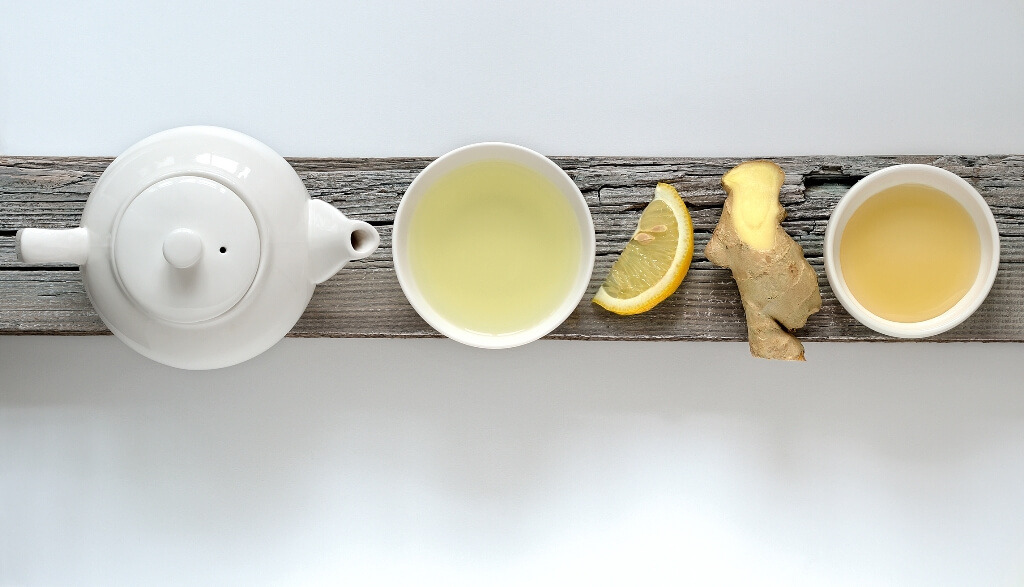
Try ginger tea or ginger ale to settle your stomach.
Avoid smoke, strong smells, alcohol and caffeine.
Please see your health care provider if:
Your symptoms are affecting your ability to do everyday activities
You are not taking any fluids or keeping anything down
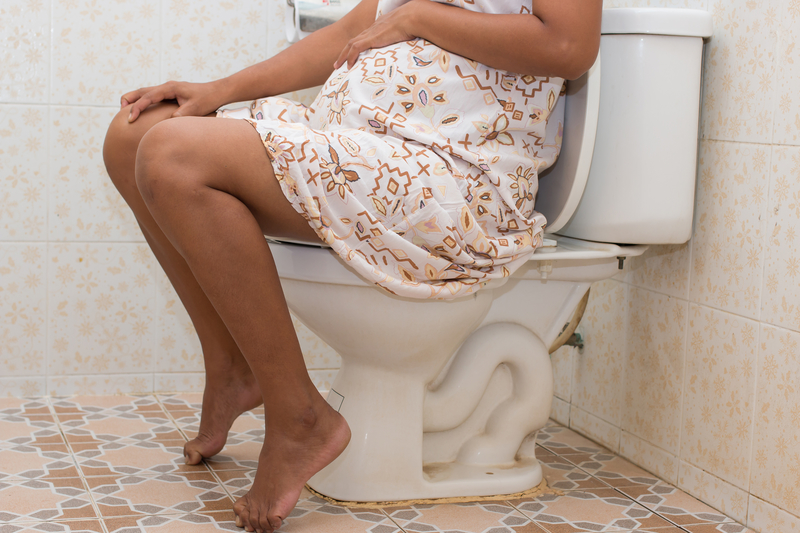
Constipation (struggling to poop or pooping less than three times per week) is very common during pregnancy. Here are some signs, causes and suggestions to help relieve constipation.
What are some signs of constipation?
Hard bowel movements (stools) that are difficult to pass
Discomfort, abdominal pain or bloating
Feeling like you still have to poop after going to the bathroom or straining to poop
Why does constipation happen in pregnancy?
Your body takes longer to digest food due to changing hormones.
Your body’s blood volume increases which can lead to dehydration and may cause constipation.
Your growing baby’s weight and position may put pressure on your rectum.
Iron in prenatal vitamins can also lead to constipation
Stay hydrated – don’t wait until you feel thirsty to have something to drink. Six to eight cups of fluid a day will help.
Load up on fibre – Eating foods that are high in fibre can help a lot. See Managing Constipation with a High Fibre Diet for a list of high-fibre foods, easy substitutes and yummy high-fibre recipes.
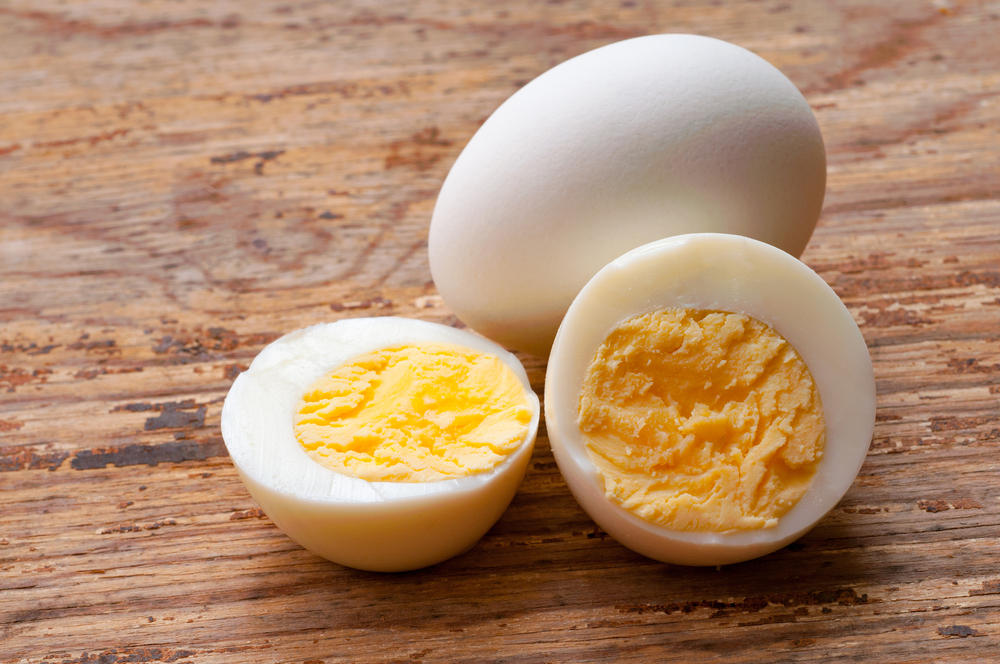
When you are pregnant, your immune system becomes weaker, making it more difficult for your body to fight infections. This means you and your unborn baby are at more risk of getting food poisoning (also known as foodborne illness). Foodborne illnesses can be more serious during pregnancy and may lead to miscarriage or premature delivery. Bacteria, parasites, viruses or chemicals that can be in food may cause nausea, vomiting (throwing up), diarrhea (runny poop), fever, chills and abdominal (stomach) cramping. Food poisoning can be even more dangerous to your baby’s health than to yours. Some foodborne illnesses, such as Listeria and Toxoplasmosis, can infect your unborn baby, even if you do not feel sick.
The good news is food poisoning is preventable. You can practice safe food handling while you are pregnant to lower your risk of food poisoning. Safe food handling means shopping for, storing, cleaning and cooking food safely.
Keeping Your Food Safe
When shopping for food:
Pick up cold or frozen food at the end of your shopping trip.
Check the best before date on your food.
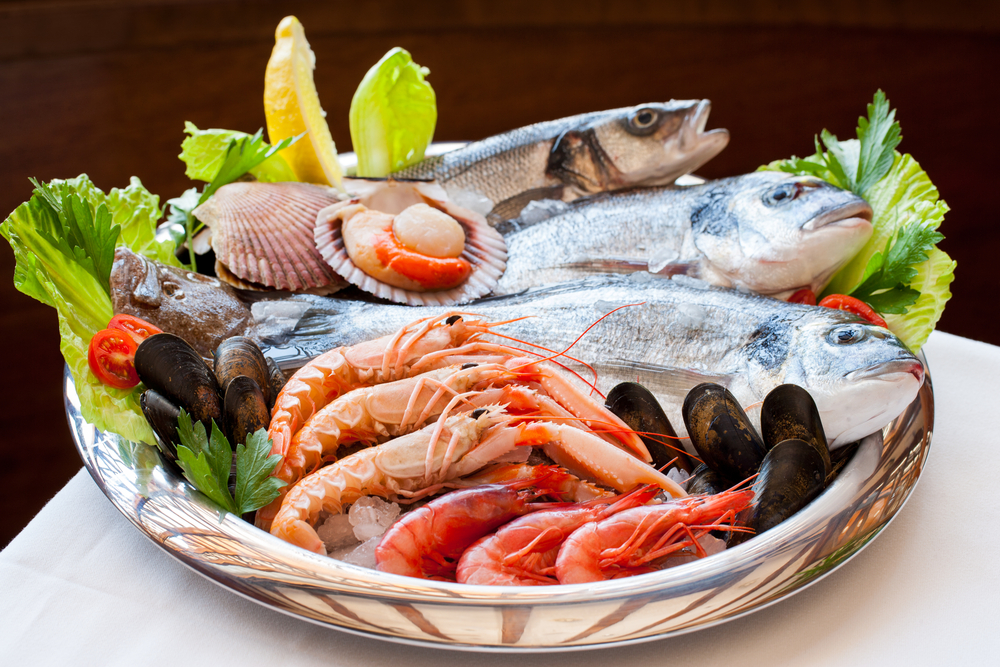
Prevent bacteria in raw meat, poultry, fish and seafood from spreading to other foods in your cart by putting them in individual plastic bags.
Wash your reusable grocery bags or bins often.
When storing food:
As soon as you get home, store raw meat, poultry, fish and seafood in containers or plastic bags on the bottom shelf of your fridge. This will prevent raw juices from dripping onto other food.
Store cut fruit and vegetables in the fridge.
Cook raw meat, poultry, fish and seafood by the “best before” date, or no more than two to four days afterbuying it. Freeze it if you do not plan on cooking it by the “best before” date.
Keep hot food hot and cold food cold
Bacteria can grow quickly between 4°C and 60°C and cause food poisoning. This temperature range is called the “danger zone.” Avoid letting perishable foods sit at room temperature for more than two hours or outdoors in the summer for more than one hour.
When preparing food:
Wash your hands often – after you touch raw meat, use the washroom or touch pets.
Thaw your foods safely.
Defrost raw meat, poultry, fish and seafood in the fridge, microwave, or in a sealed bag or container in cold water. Avoid defrosting items on the counter at room temperature.
Use a scrub brush to wash fruits and vegetables with firm skin (e.g. carrots, potatoes, squash).
Use one cutting board for ready-to-eat foods, and a separate one for raw meat, poultry, fish and seafood.
Use a meat thermometer to avoid eating meat that is undercooked. See this chart for the proper temperatures to cook meat so it is safe to eat.
Some types of foods have a higher risk of causing food poisoning for pregnant women because of how they are made or stored. Sometimes you can heat these foods to kill any harmful bacteria before eating or there are other similar foods you can eat instead to reduce the risk. Below are common foods and ways that you can prepare them more safely, or other foods to try instead. For a complete list, visit Health Canada’s website.
Type of Food
Foods to Avoid
Safer Alternatives
Dairy products
Raw or unpasteurized dairy products
Unpasteurized and pasteurized soft cheese such as Brie and Camembert.
Unpasteurized and pasteurized semi-soft cheeses, such as Havarti.
All unpasteurized and pasteurized blue-veined cheese
Pasteurized dairy products and any dairy products that are cooked, in a casserole or au gratin.
Pasteurized cheeses such as cheese curds, cheddar and cottage cheese.
Pasteurized processed/spreadable cheeses such as cream cheese
Pasteurized and unpasteurized hard cheeses such as Romano and Parmesan
Hot dogs
Hot dogs straight from the package, without heating
Hot dogs that are well cooked to a safe internal temperature.
The middle of the hot dog should be steaming hot, or 74°C (165°F)
Meat and poultry,
Deli meat
Raw or undercooked meat or poultry, such as steak tartar.
Non-dried deli meats, such as bologna, roast beef and turkey breast
It can be very difficult to know when and for how long your baby will sleep. Newborns often have their days and nights mixed up. From birth to four months of age, your baby may sleep up to 18 hours a day but will wake often to feed. Many parents feel tired because their sleep is interrupted with night feedings, diaper changes and baby snuggles.
Just when you think your baby is getting into a sleep routine they will:
have a growth spurt and wake up to feed more often
learn a new skill and be excited to practice it
start teething, which can cause pain and irritation
These can all change your baby’s sleep patterns and leave you feeling like it will go on forever. The good news is most babies will settle into a sleep routine within a few months.
Here are some tips to help your baby sleep
Give your baby naps during the day – an overtired baby can have trouble settling at night.
Put your baby down for a sleep when they start looking tired (e.g., rubbing eyes, yawning, looking away, fussing, etc.).
Create a sleep routine with the goal of settling baby for sleep. Put baby down at the same time, in the same place and with the same “pre-sleep” quiet activities such as feeding, cuddling, songs and stories.
Keep the room at a comfortable temperature — not too hot or too cold.
These tips, along with time and patience, will help your baby get into a good sleep routine. Parents should be aware that there are many books and some companies that promote or sell “sleep training.” These are not recommended. Talk to your health-care provider if your baby seems to have a lot of trouble falling asleep.
Rest while your baby sleeps. While this feels hard because you may want to get things done, your body and mind will appreciate the rest.
Did you know?
Keeping your baby safe while they sleep is one of the most important things you can do for your baby. When you create a safe sleep space, you reduce the risk of Sudden Infant Death Syndrome (SIDS).
You are leaving the Parenting in Manitoba website. The Government of Manitoba is not responsible for the content or security of third-party websites. Go BackContinue
Vous quittez à présent le site Web Être parent au Manitoba. Le gouvernement du Manitoba n’est pas responsable du contenu ni de la sécurité des sites Web tiers. RetourneContinuer