Sexually transmitted and blood-borne infections (STBBIs) like the human immunodeficiency virus (HIV) can affect both you and your baby. However, many STBBIs can be prevented, tested for and treated. If you are planning a pregnancy, are pregnant or have given birth, learning about STBBIs can help keep you and your baby healthy.
Taking care of your sexual health is important before, during and after pregnancy. Some sexually transmitted and blood-borne infections (STBBIs), like the human immunodeficiency virus (HIV), can be passed from a parent to their baby during pregnancy, birth or while breastfeeding/chestfeeding.
STBBIs can be spread through sexual contact without a condom. Some STBBIs can also be spread through contact with infected blood, like sharing needles or other drug-use equipment.
However, many STBBIs can be prevented, tested for and treated.
During Pregnancy
Testing for STBBIs is a normal part of prenatal care. Testing usually involves a blood test and a urine sample.
Getting tested early helps make sure you can get the care you need and can lower the chance of passing an infection to your baby during pregnancy or birth.
Did you know?
In Manitoba, everyone who is pregnant should get tested for HIV and other STBBIs at least three times during pregnancy.
HIV
If HIV is diagnosed during pregnancy, treatment can begin right away. HIV medicines work very well. They can lower the amount of virus in the body to very low levels. This makes it much less likely to pass HIV to a baby.
If you are living with HIV and are pregnant or planning a pregnancy, talk to your health-care provider as early as possible. They can help you manage your HIV and support a healthy pregnancy.
Hepatitis B
Most pregnant people with hepatitis B do not need treatment. Their babies can be protected by getting hepatitis B antibody and vaccination shortly after birth.
Hepatitis C
Hepatitis C can be passed to your baby during pregnancy or birth, but the chance of this happening is low. Treatment isn’t usually started until after pregnancy and breastfeeding/chestfeeding are finished. During this time, your health-care team can support you and monitor both you and your baby.
Syphilis, Gonorrhea and Chlamydia
These bacterial infections can be treated with antibiotics during pregnancy.
After Your Baby is Born
Taking care of your sexual health remains important after pregnancy. Even if you did not have a STBBI during pregnancy, you can still get one later. If you are sexually active, regular HIV and STBBI testing can help protect both you and your baby.
Talk to your health-care provider about STBBI testing if:
- You or your partner have new, multiple, or anonymous sexual partners.
- You think you have been exposed to an STBBI.
- You or your partner inject drugs or share drug-use equipment.
- You have symptoms such as sores, unusual discharge, pain, fever or a rash.
For some people, testing every three to six months may be recommended.
HIV and Breastfeeding/Chestfeeding
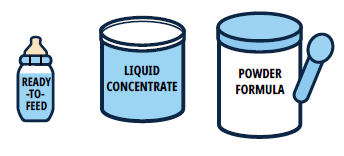
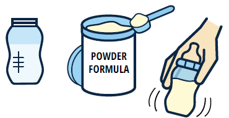
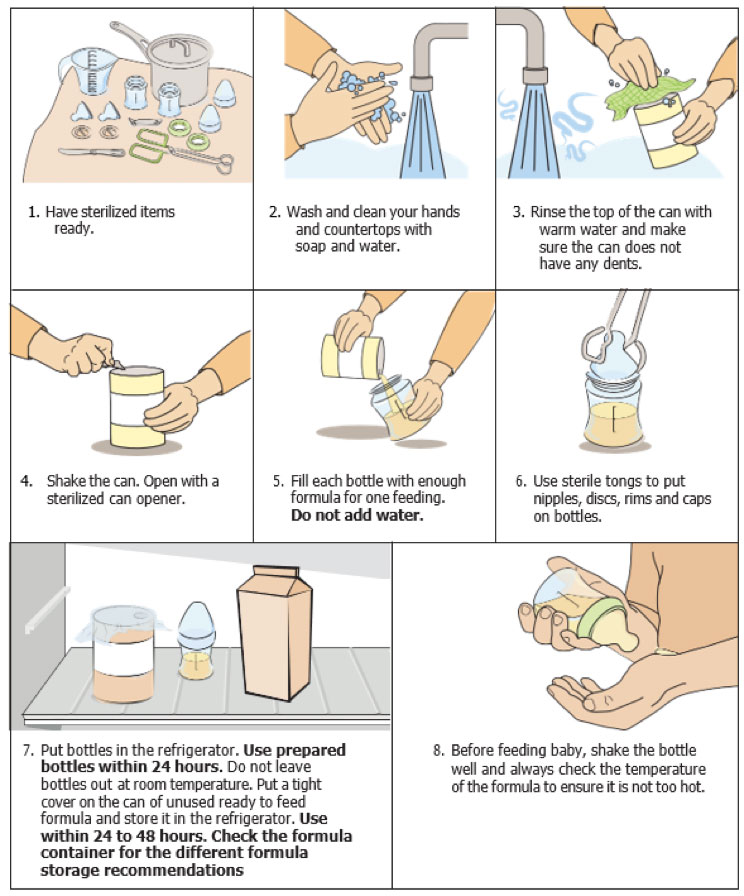
HIV can be passed to a baby through breastmilk/chestmilk. For this reason, people living with HIV in Canada are recommended to use formula to feed their baby. This removes the risk of passing HIV through feeding.
If you are living with HIV and are pregnant or planning a pregnancy, talk to your health-care provider early. They can help you choose the feeding option that is best for you and your baby
How to Lower Your Risk
There are many ways to protect yourself and your baby from STBBIs:
- If you are planning a pregnancy, talk to your health-care provider about any steps you can take to support a healthy pregnancy.
- Go to all your prenatal and postpartum appointments.
- Get tested for STBBIs when recommended by your health-care provider.
- Talk openly with your health-care provider about any sexual health or substance use concerns.
- Use condoms when having sex.
- Encourage your partner(s) to get tested and treated if needed.
- If you use substances, use sterile needles and smoking equipment every time. Do not share equipment with others.
- Get medical care right away if you think you have been exposed to an STBBI.
Did you know?
There are medications that can help lower the chances of getting HIV. This medication is called PrEP (pre-exposure prophylaxis). If you do not have HIV but may be at higher risk of getting it, PrEP may be an option for you. Talk to your health-care provider to learn more.
When to Talk to a Health-Care Provider
Talk to your health-care provider if:
- You think you were exposed to an STBBI.
- Your partner has an STBBI.
- You have symptoms like sores, unusual discharge, fever or other signs of infection.
- You are pregnant or breastfeeding/chestfeeding and you want STBBI testing or have questions about an infection you may have.
- You would like information or support about your substance use. This could include using substances more safely, using less or stopping.
For more information on finding a health-care provider, check out https://parentinginmanitoba.ca/finding-a-health-care-provider.
Resources
- Harm reduction programs in Manitoba https://www.manitoba.ca/health/publichealth/harm-reduction.html#programs
- STBBI testing in Manitoba https://www.gov.mb.ca/health/publichealth/cdc/sti/stbbi-testing.html