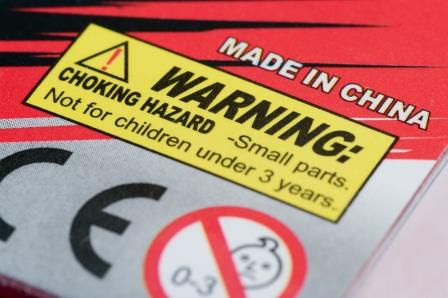
Many parents think that if a product is sold in a store or online, then it must be safe. Sadly, this is not always true. Read more to learn about how to choose safe products and keep your child safe.
Some products can put your child at risk of choking, burns and poisoning. While items like cribs and car seats must meet safety standards, most other products are not regulated. As a parent, it’s important to think about whether a toy or product could put your child at risk for injury.
Infants and toddlers are at higher risk because they like to put things in their mouths. When choosing toys for your child, follow the age recommendations on the package. If older children live in the home, be careful – some of their toys may contain small parts that are a choking hazard for young children.
Choosing products for your child
Many baby and children’s products are advertised as things parents need, even when they may not be helpful or could even be unsafe. Some products make claims that are not backed by evidence. Before buying a product, think about if your child really needs it, if it right for your child’s age and if there is a safer option available. If you are unsure, a health-care provider can help you decide what is safest for your child.
Keeping up to date on product recalls
Product safety information can change. Even products sold in stores or online can be recalled later because of safety concerns. Checking trusted product recall websites from time to time can help you learn if a product you own is unsafe and what to do next.
You can find recall information here:
- Health Canada: Find recalls, advisories and safety alerts – Canada.ca
- Canadian Recalls (not a government website): Baby Product Recalls Canada | Child Safety Alerts
Safety Tips:
- Register your products online and mail in registration or warranty cards. That way the company can contact you if there is a safety problem or if the product is recalled.
- You can make a report to Health Canada if:
- You have concerns about a product’s safety
- You have had an injury or near miss
Some common products that can cause injury
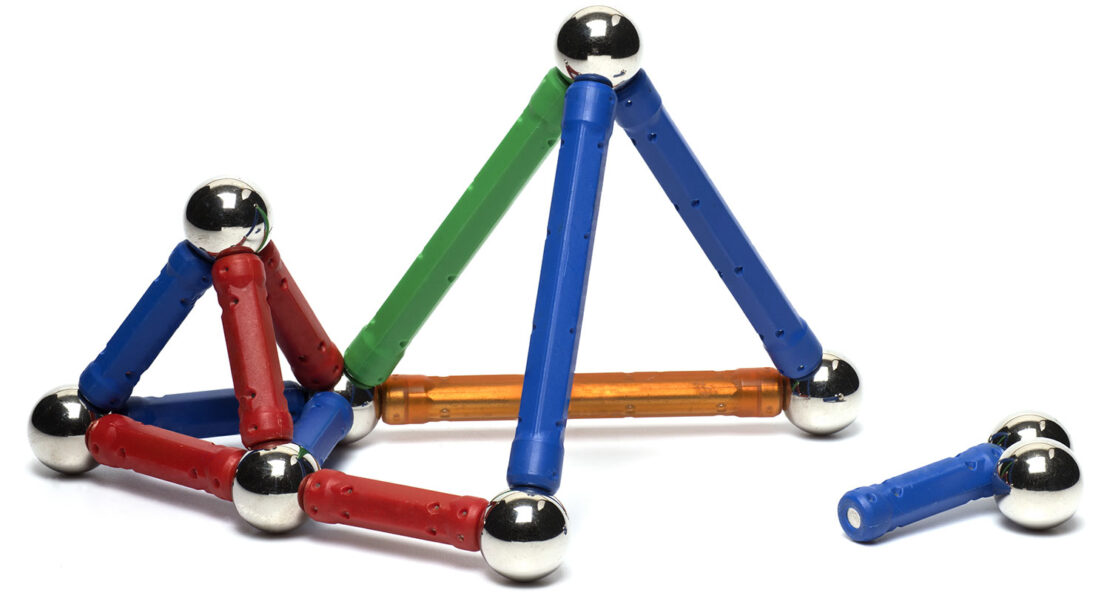
Small magnets
Some children’s toys and other products contain small, powerful magnets. Swallowing magnets can cause serious damage to the inside of a child’s body.
- Check your child’s toys for small magnets. Keep these toys away from young children.
- Take your child to the emergency department, nursing station or local clinic if you think that they have swallowed magnets.
Button batteries
Small batteries are found in toys, greeting cards, hearing aids and some household products. Small batteries can cause burns if your child swallows them or puts them in their ear or nose. Store extra batteries out of sight and reach of young children.
- Safely dispose of old batteries right away.
- Choose toys that have a battery compartment that closes with a screw.
- If your child swallows or inserts a battery in their ear or nose, take them to the doctor, nursing station or local clinic right away.
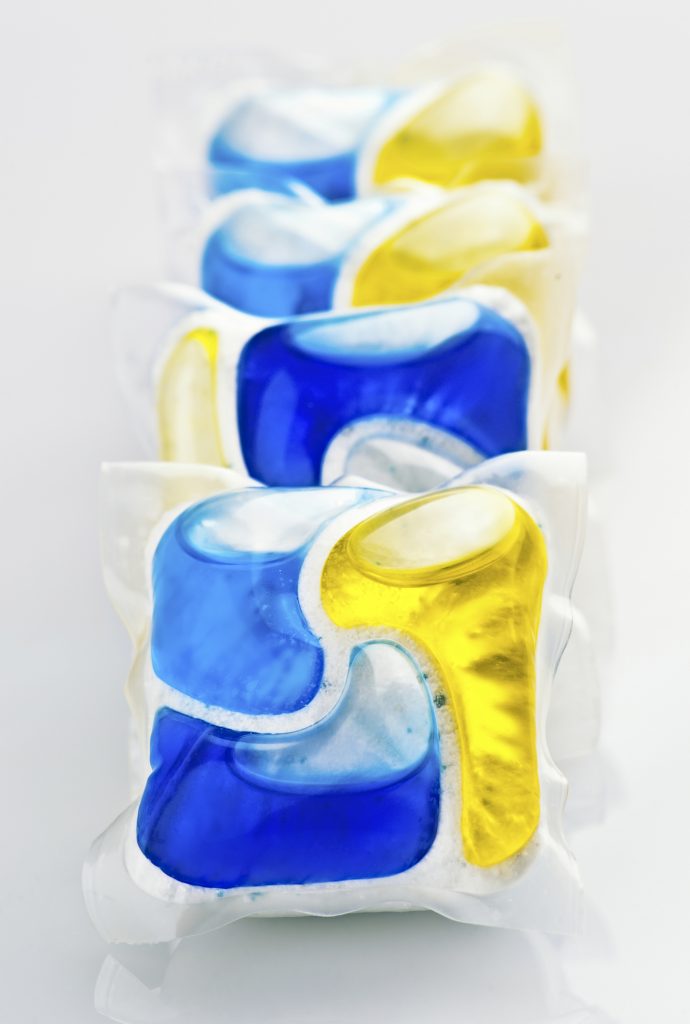
Laundry and dishwasher pods
Laundry and dishwasher pods both contain strong cleaning chemicals. Pods can be poisonous if swallowed. If they leak, the liquid can burn your child’s skin or eyes. These pods are often brightly coloured and squishy, so children may mistake them for candy. To keep your child safer:
- Choose other types of detergents such as powder or liquid.
- As with all cleaning products, store them in a locked cabinet or drawer that is out of reach of children.
- If your child chews or swallows a pod, call the Manitoba Poison Control Centre at 1-855-776- 4766 right away.
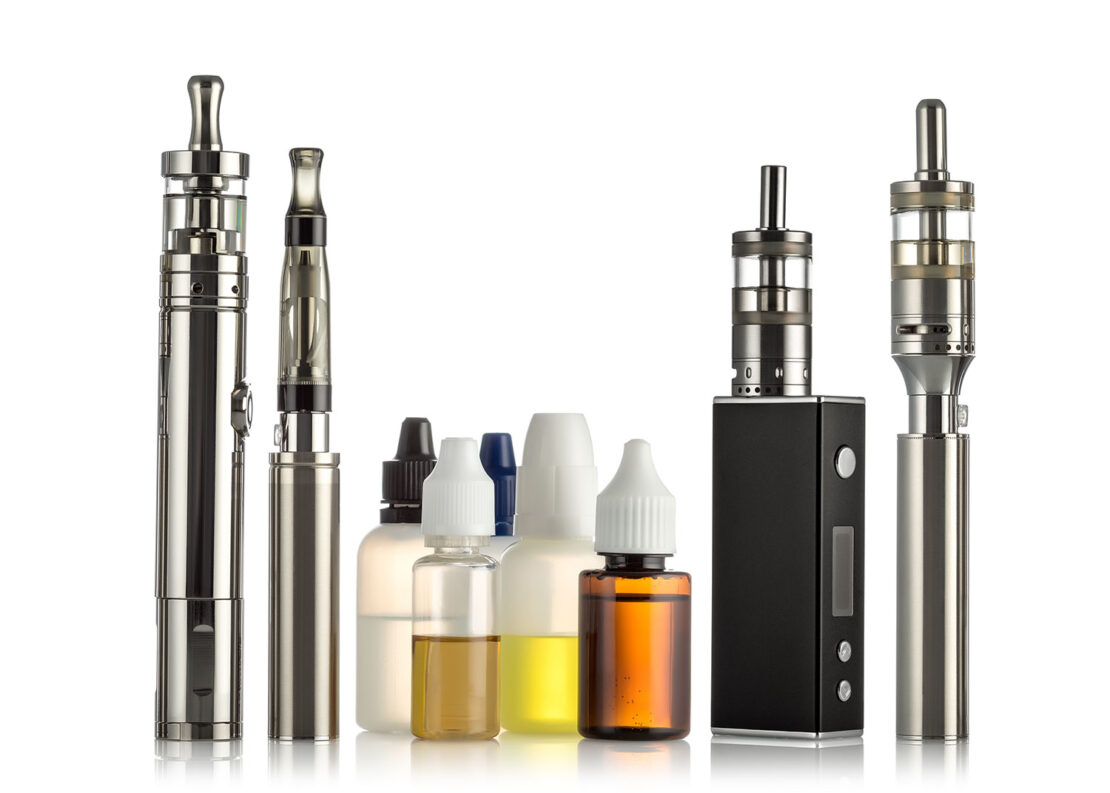
Vape juice and e-cigarettes
Vape juice is the liquid that people put into electronic cigarettes. It comes in flavours such as chocolate, peppermint and fruit, which may appeal to your child. Vape juice may contain nicotine and other chemicals. It will cause harm and can even be deadly if your child swallows it. Like cigarette smoke, vapour from e-cigarettes is unsafe for children.
- Avoid using e-cigarettes indoors or around children.
- Keep vape juice and e-cigarettes locked up and out of children’s reach.
Baby walkers
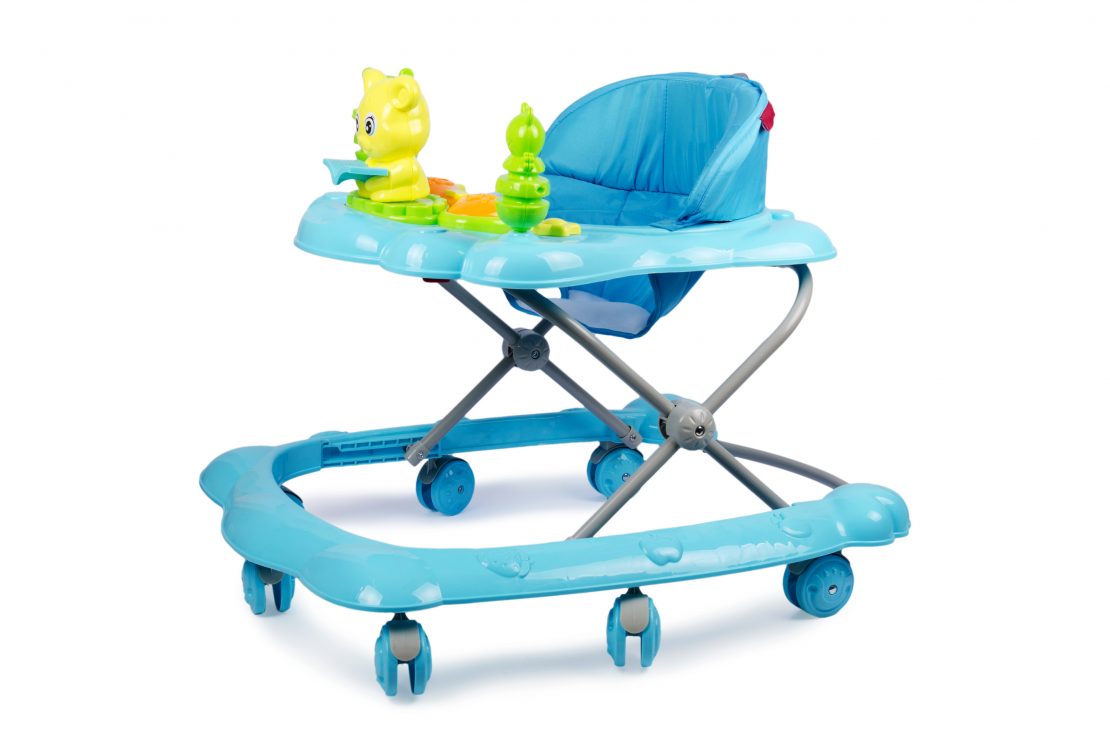
These products have caused many severe injuries and deaths to babies. Injuries happen when children in walkers fall downstairs or reach electrical cords and other items that are normally out of reach. Walkers do not help children learn to walk. Baby walkers are banned in Canada. It is illegal to import them, sell them at garage sales or give them away.
- If you have a baby walker, do not use it. Use a stationary exercise activity centre instead.
- Remove the wheels from a walker before throwing it away so that it can’t be used by anyone else.
Amber teething necklaces

These necklaces claim to provide “natural” pain relief that helps soothe baby’s teething pain. There is no proof that they do this. Amber necklaces and other necklaces put babies at risk of strangulation and choking.
- It is safest to avoid putting any jewellery on your baby.
- Use teething rings or massage baby’s gums to help relieve teething pain.
Window covering cords
Cords from blinds and other window coverings put babies and young children at risk of strangulation. Health Canada has introduced new regulations that restrict the length of cords and the size of the loops to protect children from this hazard.
To keep your children safe:
- Use cordless window coverings when possible.
- Use “break-away” cords or cut the cord so there isn’t a loop.
- Keep cords out of reach by using a hook or cleat (T-shaped piece of metal or wood) to fasten them high on the wall.
- Follow the window covering manufacturer’s instructions and read all the warnings.
- Keep cribs, beds, playpens and other furniture away from windows.