Bike Trailers and Bike Carriers

Cycling with your child is a great way to get around and is fun for the whole family. Bike carriers and trailers help parents cycle safely with their child. 

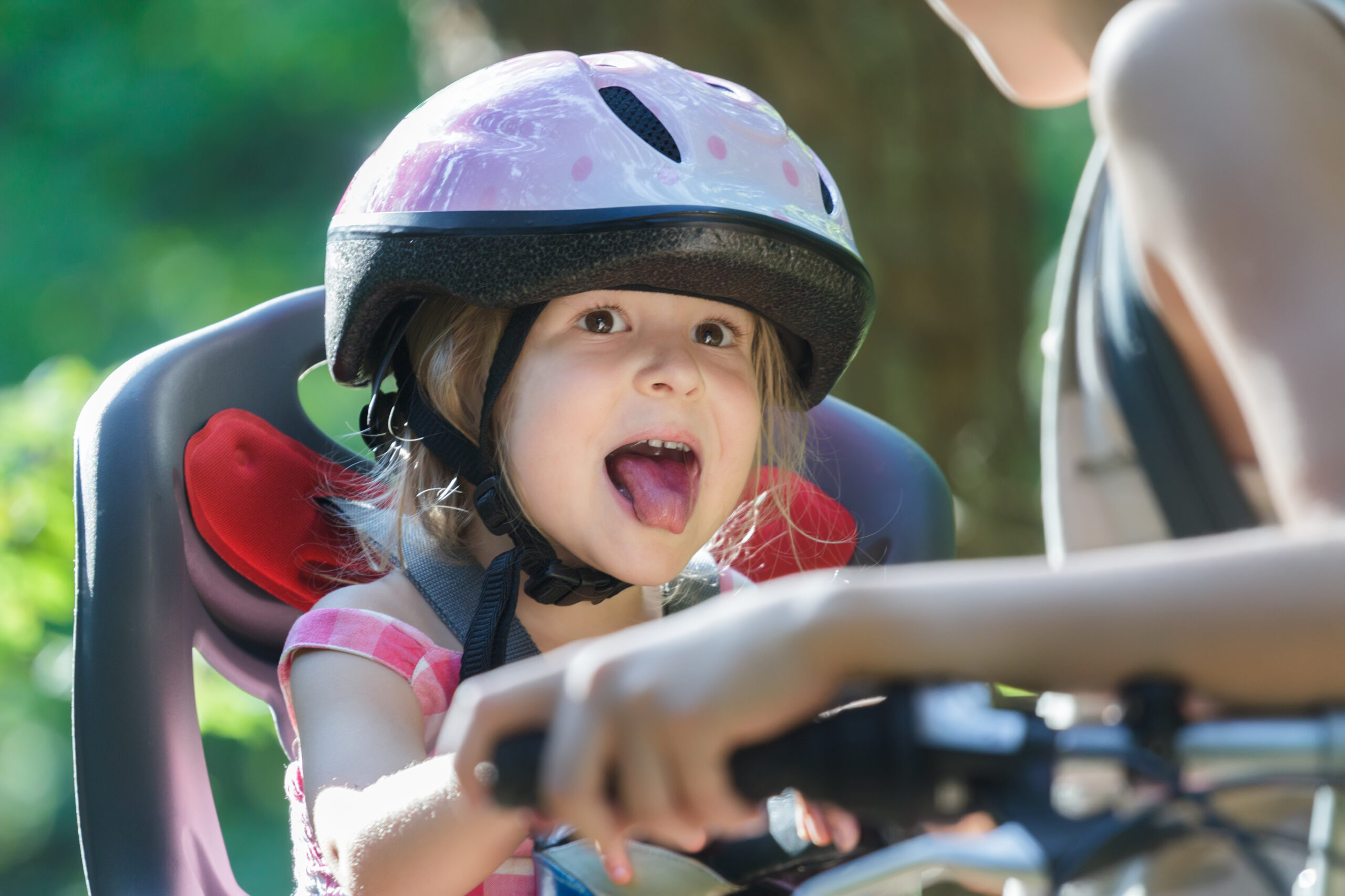
A bike carrier is a special seat that mounts on the frame of your bike. 

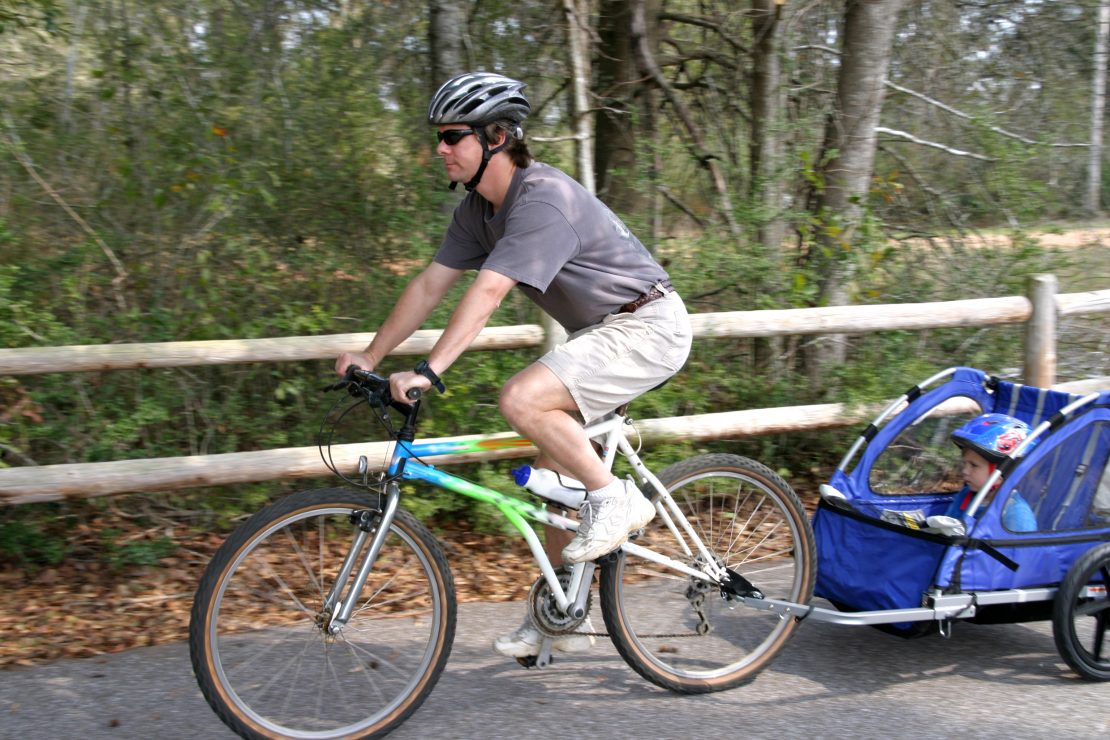
A bike trailer is pulled behind your bike. 

If you are trying to decide between a bike carrier and a bike trailer, here are some things to consider: 

  • A bike trailer is safer than a bike carrier because it won’t tip over if the bike falls. 
  • Bike carriers are less expensive than bike trailers and require less storage space. 
  • A child in a carrier can fall if the bicycle tips over, if the seat becomes detached or if the child is not properly fastened in the seat. A child falling from an adult bike would fall about one metre (three feet), which could result in serious injuries. 
  • You need to be a strong and confident cyclist to use a bike carrier. 

Did you know?

Bike trailers are recommended for children between one to six years of age. While they tend to cost more than bike carriers, many models can also be used as strollers and some can carry two children. 

Bike Trailers

an adult riding a bike with a blue trailer connected at the back

What to look for in a bike trailer: 

  • Rollover type hitch so the trailer won’t tip if the bike tips 
  • Adaptable for children of different sizes 
  • Roll bars so that sides won’t collapse if the trailer tips 
  • Enough headroom to accommodate a helmet 
  • Five-point harness 
  • Sunshade and mesh screen front flap for protection from the sun, bugs, pebbles and debris 
  • Bright reflective material 
  • A flag for extra visibility  

Safety Tips

  • Follow the manufacturer’s age recommendations and instructions 
  • You and your child should wear a certified bike helmet that fits properly and is fastened correctly
  • Learn to be a confident cyclist. Take a bike safety course and get plenty of practice. 
  • Practice towing the bike trailer before taking your child out for a ride. 
  • Drive on bike paths and low traffic areas. 
  • Make wide turns to accommodate the trailer. 
  • Mount a bright orange flag on back of the trailer so motorists will see that you are towing a trailer. 
  • Use the harness or safety strap to fasten your child into the trailer. 
  • Use the cover or screen to protect your child from road dirt and debris. 
  • Don’t let the child eat in the trailer while you are cycling. This is so your child doesn’t choke. 

Buying a second-hand bike trailer can make it more affordable. 

  • Bring your bike with you to make sure the trailer can be safely attached to your bike. The shape of your bike frame and disc brakes may get in the way. 
  • Look for wear and tear. The straps and fabric should be free of rips and tears. 
  • Make sure nothing is missing; trailers should include a cover or screen. A flag and reflectors improve your visibility. 

Bike Carriers (Bicycle seats)

An adult and two children on bikes, one child in a carrier behind the adult, and an older child standing beside them.

What to look for in a bike carrier:

  • Foot wells or spoke guards to protect feet and ankles from the spokes
  • Safety belt or harness
  • Reflectors
  • One that mounts behind the bike seat
  • Front-mounted bike seats are available; however, they can limit your vision, your ability to steer and lean forward. Strong cyclists may be more comfortable with this style of carrier.  

Did you know? 

Not every bike is compatible with a child bike seat. Check the instructions and ensure that any seat you use is installed correctly and does not wiggle or move on the bike.  

Safety Tips:

  • The American Academy of Pediatrics recommends that a child be at least one year of age before riding in a bike carrier. 
  • Follow the bike carrier manufacturer’s age recommendations and instructions.  
  • Parent and child should always wear a properly fitted and fastened certified bike helmet.  
  • Learn to be a confident cyclist. Take a bike safety course and get plenty of practice.  
  • Never leave your child unattended in bike carrier.  
  • Child should wear close fitting clothing and not have blankets, drawstrings or toys that could get caught in the spokes or gears.  
  • Drive on smooth bike paths and low traffic streets.  

Reference

Baby on Board: Keeping Safe on a Bike– American Academy of Pediatrics

Jogging Strollers

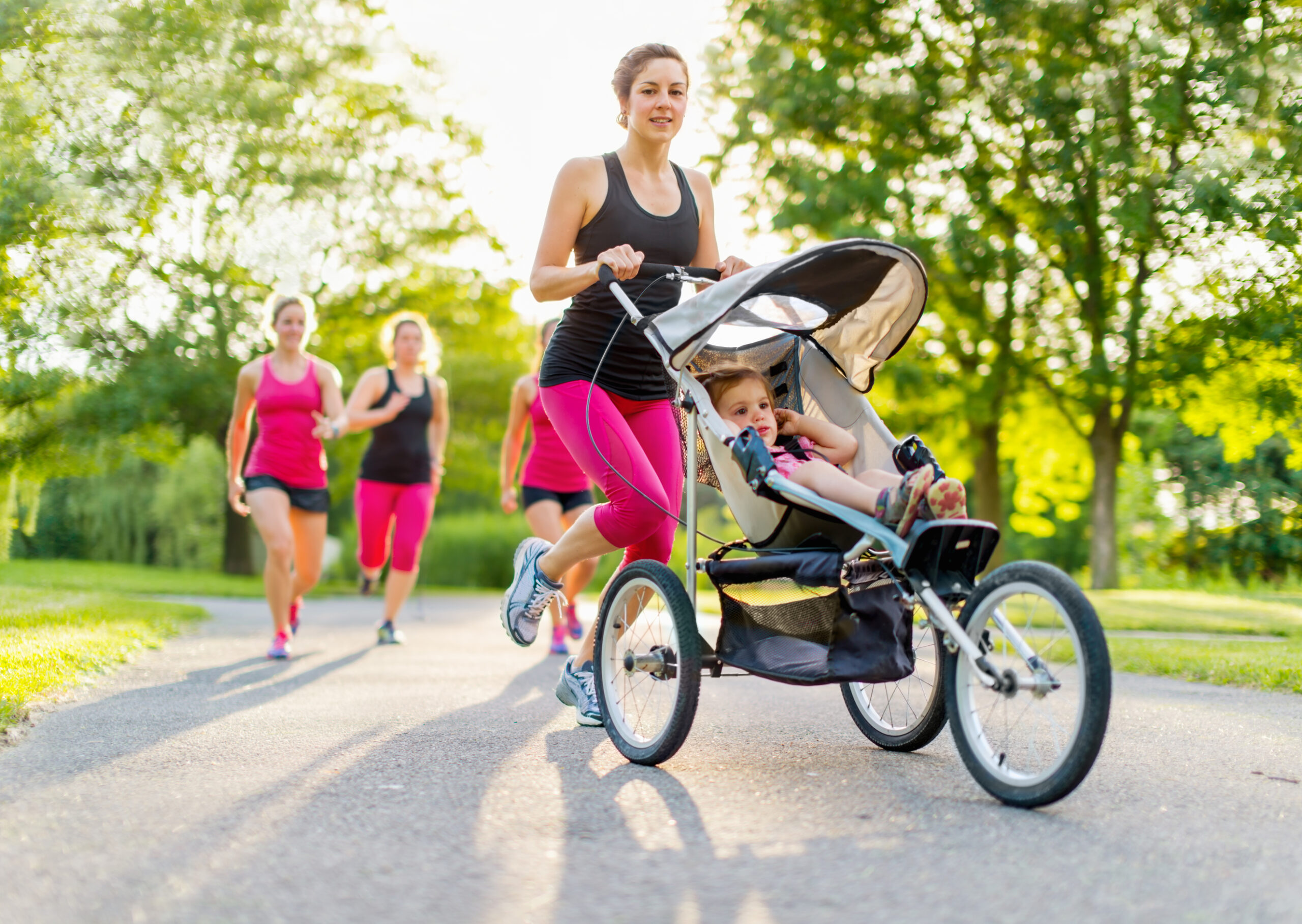
Jogging strollers allow you to jog or run while pushing your child.  These strollers typically have three large wheels, making them easier to turn and a heavier suspension system to make the child’s ride smoother. Some jogging strollers convert into bike trailers

Parents should be aware of a few concerns about jogging strollers: 

  • Despite the improved suspension systems, they can cause jarring and stress to a young baby’s neck and spine. 
  • Parents could trip and fall, causing the stroller to tip and the child to fall. 
  • While the parent may feel warm while jogging in cool weather, infants in strollers are not exercising, so they may be cold. 

When shopping for a jogging stroller, look for one that has… 

  • a deep seat with a five-point harness 
  • three large, fixed wheels 
  • a hand brake and a foot-operated parking brake 
  • a wrist strap 
  • a sun shield 
  • back-up locks that prevent sudden folding of the stroller 
  • a headrest 
  • a fully reclining seat 

When jogging… 

  • Practice running with a stroller before you take your baby out. Start with a brisk walk then lead up to a run. 
  • Avoid running in extreme heat or cold. 
  • Wear good footwear while pushing a stroller. Never push while wearing in-line skates. 
  • Jog on smooth surfaces away from traffic. 
  • Run at a pace where you are in control of the stroller. 
  • Supervise your child at all times when they are in the stroller. 
  • Helmets are not required for jogging strollers. If your child does wear one, be sure that the seatback does not force the child’s head and helmet forward. 

Safety Tips

  • Follow manufacturer’s age recommendations and instructions. 
  • Use the stroller for walking until your baby is at least six months old. After that you can jog or run. 
  • Use a jogging stroller for jogging or running. Regular four-wheeled strollers are not safe for these activities. 
  • Always fasten the child’s safety harness. 
  • Use the wrist strap so the stroller does not get away from you. 
  • To avoid tipping the stroller; do not overload it or hang items on the back. 
  • If using the stroller with an infant, keep the stroller free of extra padding, pillows or blankets as these can cause suffocation. 

What Canadian Pediatricians Say About Vaccination and Your Child

Vaccination is the best way to protect your child against many dangerous diseases.

Do vaccines really work?

Yes. All vaccine-preventable diseases have declined in countries with successful vaccination programs. Vaccines protect children who are immunized and the people close to them by preventing the spread of disease. When immunization rates drop, these diseases can come back. All of these diseases can cause serious illness, complications and death, even with the best medical care. Many of these diseases have no cure. 

Do vaccines have side effects?

The chance of getting sick from a vaccine-preventable disease is far greater than the very small risk of having a serious side effect from the vaccine itself. 

  • Some children will have mild pain and redness where the needle went into the arm or leg. 
  • A mild fever is common after vaccination. 
  • Fever combined with a rash may happen after the MMR, MMRV or varicella (chickenpox) vaccines. 
  • Anxiety about needles may cause fainting, especially in older children and teens. 
  • Other side effects, including serious allergic reactions, are very rare. 

Why does my baby get so many vaccines in one visit? Can they wear out my child’s immune system?  

Getting several vaccines at the same time helps to protect your child as quickly as possible during their early years of life when they are most likely to get severe infections. It also means fewer appointments and periods of pain and discomfort. 

Your child’s immune system response will not be worn out after getting several vaccines at the same time. Their immune system already responds to very large numbers of antigens (proteins and complex sugars) that are found all around us every day. 

Can breastfeeding/chestfeeding protect my baby from infections? 

Breastfeeding/chestfeeding provides some protection against some infections, such as ear infections and diarrhea. It is not a substitute for vaccine preventable infections.  

Are vaccines properly tested for safety? 

Vaccines are among the most strictly regulated medical products in Canada. Before any vaccine is approved, it must be shown to be safe and effective. There is extensive monitoring, testing, information-sharing and decision-making that goes on behind the scenes. After a vaccine has been approved, Canadian health authorities continue to monitor for side effects. 

Immunization information on the Internet 

The internet has a lot of information about vaccines and vaccine-preventable diseases — but there is also misinformation, which can be harmful if used to make decisions about your child’s health. Asking a few key questions can help you decide if you can trust the information, you find online. 

  • Who runs the website? Can you trust them? 
  • What does the site say? Do the claims seem reasonable? 
  • When was the information posted or reviewed? Is it up to date? 
  • Where did the information come from? Is it based on scientific research? 
  • Is the site listed by the World Health Organization as a trustworthy resource? 
  • What are some signs that a website might not have a balanced point of view? 

It’s a good idea to talk about the information you find online with your child’s doctor before making any health decisions. 

Reprinted with permission from the Canadian Paediatric Society  

References

The Mess and Fun of Starting Solid Foods

When you introduce your baby to solid foods, you open a whole new world of smells, tastes, textures and experiences. This is not only a fun learning opportunity but also the start of your child developing a healthy relationship with food. 

When is my baby ready to start solids? 

Your baby is ready to start solid foods when they are six months of age and can: 

  • Sit up on their own with very little help and lean forward 
  • Hold their head up with good control 
  • Open their mouth when you offer food 
  • Turn their head away to refuse food 
  • Keep most of the food you give them in their mouth (they don’t push it out with their tongue) 

Did you know?

  • All babies go through growth spurts and will want to feed more often. If your baby is not yet six months old, they do not need to start solids. Just continue to breastfeed/chestfeed or formula feed your baby on cue to provide the extra nutrition they need. 
  • Starting solid foods before six months will not help your baby sleep through the night. 
  • If you give your baby solid foods before they are ready, they may:
    • Drink less breast milk/chest milk or formula and be at risk for iron deficiency 
    • Have a hard time swallowing food and be more likely to choke 

What is my job? 

Once your baby starts solid foods, you decide: 

  • what foods to offer 
  • when to offer them 
  • where your baby is fed 

Parent Tips

  • Offer food to your baby on a regular schedule. See table below for timing suggestions.  
  • Feed your baby at the table when the rest of the family is eating. 
  • Your job is to offer your baby healthy foods in a pleasant environment. After that, sit back and enjoy the fun and mess! 

What is my baby’s job? 

Babies naturally know how much to eat. Your baby decides: 

  • Whether they eat – It’s okay if your baby seems picky sometimes.  
  • How much to eat
    • Babies will eat what they need to grow strong. 
    • Let your child eat as much as they want and stop when they feel full. This helps them learn to listen to their hunger cues and know when they are full. 

Your baby will tell you they are hungry by: 

  • opening their mouth when you offer them food 
  • getting excited when you place them in the highchair or at the table for meals 
  • leaning towards and reaching for food 
  • becoming upset when the food is taken away 

Your baby will tell you they are full by: 

  • shutting their mouth when you offer them food 
  • turning their head or pushing the food away 
  • getting distracted from eating 
  • crying and fussing to get out of the highchair or away from the table 

Parent Tip

Don’t force them to eat if they don’t want to and don’t stop them from eating before they are full. This allows your baby to listen to their hunger and fullness cues. Babies’ appetites can change from day to day. 

Do I still keep breastfeeding/chestfeeding and/or bottle-feeding my baby? 

  • Continue breastfeeding/chestfeeding, and/or formula feeding your baby on cue.  This is still your baby’s main source of nutrition as they learn to eat solid foods. 
  • Continue giving vitamin D daily
  • If you are breastfeeding/chestfeeding, continue doing so until your child is two years old or older. Breastfeeding /chestfeeding provides many benefits to both you and your child. 
  • For ideas on how to incorporate starting solids with breastfeeding/chestfeeding or formula feeding click here

Getting started – share the experience, show the yum! 

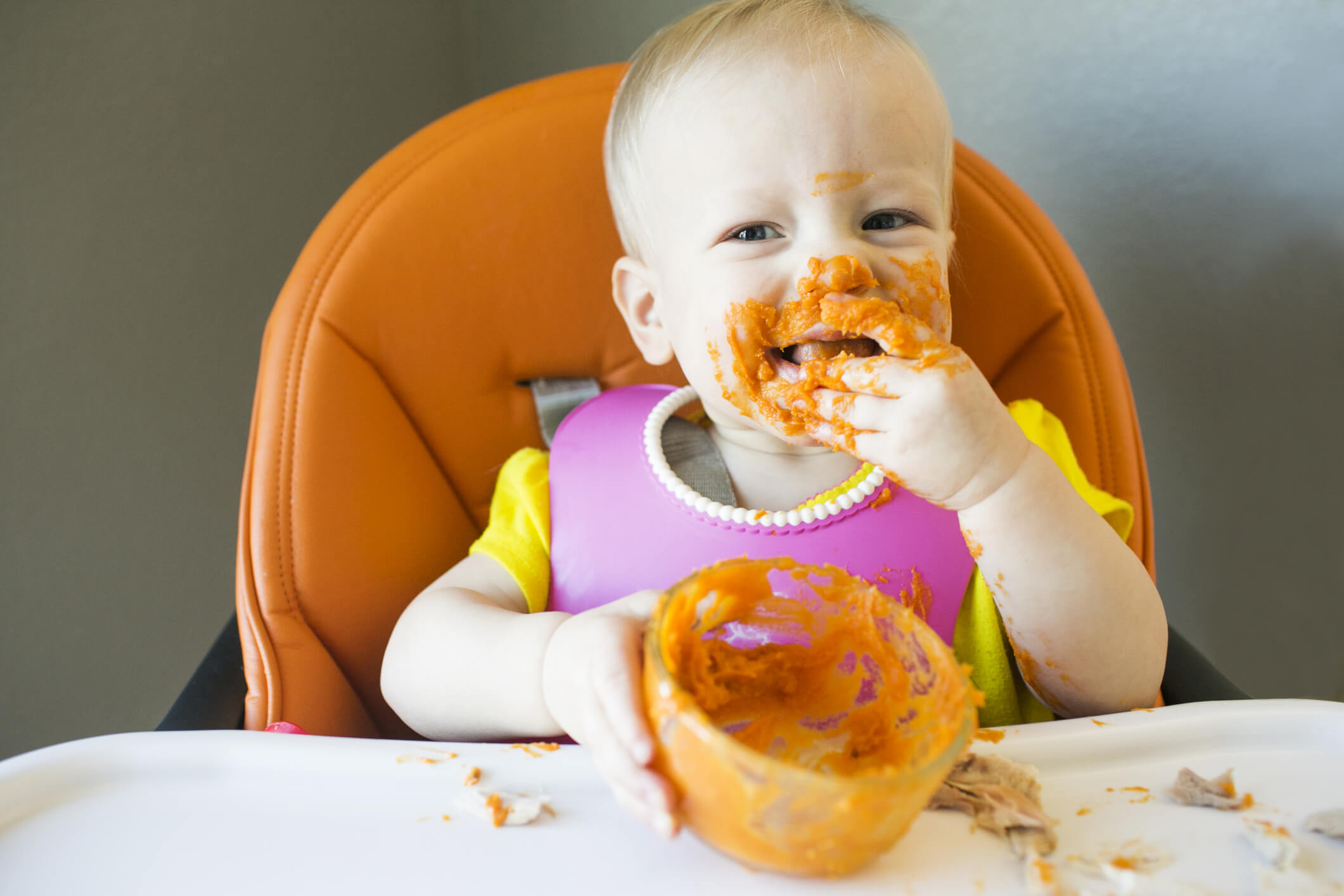
Your baby is learning all about food – how it tastes, smells, feels…if it can be used as paint? It’s going to get messy, but exploring is part of the fun of learning. 

  • Some tips for coping with the mess:
    • Set up a splash mat or bed sheet under the highchair. 
    • Put your baby in the highchair in nothing but their diaper for easier clean up and less laundry. 
    • Sit back, relax and take some photos. 

Your baby wants to do what you do – if you look like you’re enjoying the taste and texture, chances are they will too. 

Include your baby at family mealtimes. Talk with your baby and limit distractions such as toys, telephones and television. 

Now to get started! See our article on What foods do I give my Baby First? 

Quick links: 

Questions? 

If you have a nutrition or food question, call Dial-a-Dietitian Manitoba at 204-788-8248 in Winnipeg or 1-877-830-2892

Choosing Safer Sleep Sacks

Many types of products are available to help your baby sleep and keep your baby warm. Some products are sold as: 

  • sleep sacks 
  • swaddling sacks 
  • swaddle blankets 
  • wearable blankets 
  • baby sleeping bags

Did you know?

Not all products are safe choices for your baby. Some designs can put your baby at risk of choking and suffocating. It is important to dress baby according to room temperature so they do not overheat. 

If you choose to use sleep sacks or other sleeping products, look for ones that:  

  • meet children’s sleepwear flammability guidelines (check the label). 
  • are made from lightweight fabric 
  • fit properly 
  • do not have:
    • drawstrings, ribbons, cords or tight elastic 
    • buttons, snaps or decorations that could become loose and cause choking 
    • a hood, collar, or wrap near the face that could cover baby’s mouth and nose 

The product should: 

  • Be snug around the upper body so the baby can’t wiggle out and the baby’s head does not slip down into the bag. 
  • Not be tight around the chest. You should be able to fit two or three fingers between the baby’s chest and the fabric. 
  • Be loose around the hips so the baby’s legs can bend and move easily.  

Remember: Always follow the manufacturer’s age, weight and length recommendations, and safety precautions. 

Make an Informed Decision on How to Feed Your Baby

Choosing whether to breastfeed/chestfeed or formula feed your baby is one of many big decisions new and expectant parents will make. This information can help you make an informed decision on how you want to feed your baby. 

Breastfeeding/chestfeeding gives your baby the best possible start and is good for you as well. Breastfeeding/chestfeeding is recommended as the only type of food for your baby for the first six months of life. You can continue to breastfeed/chestfeed your baby for two years or longer

Breastfeeding/chestfeeding is more than just feeding your baby. It provides closeness and warmth which helps to create a special bond between you and your baby. This nurturing helps your baby grow and develop. 

Breastmilk/Chestmilk – Nature’s Superfood

Breastmilk/chestmilk provides almost everything your baby needs to grow healthy and strong.  

Breastmilk/Chestmilk:  

  • is easiest for your baby to digest 
  • it is always available and ready to go – no preparation is required 
  • has all the nutrients, calories and fluids your baby needs to grow and develop 
  • changes over time to meet the needs of your growing baby 
  • helps protect your baby from lung, ear and stomach infections 
  • helps prevent allergies, diabetes, eczema, some cancers and obesity 
  • can reduce the risk of Sudden Infant Death Syndrome (SIDS).
  • the only extra thing you need to give baby in the first six months is vitamin D daily

Here is more information on breastfeeding/chestfeeding

Infant formula 

  • Commercially prepared infant formulas are an alternative to breastmilk/chestmilk  
  • Stays the same therefore cannot adapt to your baby’s growing needs 
  • Antibodies are not a component of formula therefore it cannot protect your baby from infections and diarrhea 
  • Powdered formula is not a sterile product 

Some additional steps and considerations for providing infant formula include: 

  • Extra time to sterilize equipment 
  • Extra equipment is required 
  • Formula can be quite costly  

If you have made an informed decision to give your baby infant formula, see our page about infant formula

Tips to Prevent Choking in Children

Babies, toddlers and young children are at higher risk of choking. They like to put things in their mouths as they explore their world. They can choke if food or small objects get stuck in their throat and block their breathing. 

Parents can help prevent choking by keeping small items away from the child and preparing food carefully. 

By learning first aid and CPR, parents can recognize when a child is in danger and respond quickly. 

Common household choking hazards

Small objects

If an object fits through a cardboard toilet paper roll, it can cause a young child to choke. Common household choking hazards include: 

  • coins 
  • balloons 
  • batteries 
  • fridge magnets 
  • beads and buttons 
  • marbles 
  • small rubber balls 
  • bottle caps 
  • Lego, building blocks and other small toys 
  • plastic bags 
  • jewellery, including amber teething necklaces/ bracelets 
  • clothing tags 
  • holiday decorations 
  • puzzle pieces 

Safety tips to prevent choking on small objects: 

Uninflated latex balloons in the foreground with one yellow inflated balloon in the background.
  • Keep small items off the floor and away from children. 
  • Choose toys that are safe for your child by following the age recommendation on the package. See Toy safety – Canada.ca for more information on toy safety. 
  • Toys for older children are often small or have small parts. Keep these toys away from your infant or toddler. 
  • Use mylar (foil) balloons as a safer choice. When these balloons break into small pieces, they do not block a child’s airway. A piece of latex balloon can easily block a child’s airways and stop a child from breathing. Make sure to pick up and throw away broken balloon pieces right away. 

Foods

Some foods are unsafe for children under four, such as:  

  • hard or sticky candies 
  • cough drops 
  • gum 
  • popcorn 
  • marshmallows and gummy candies 
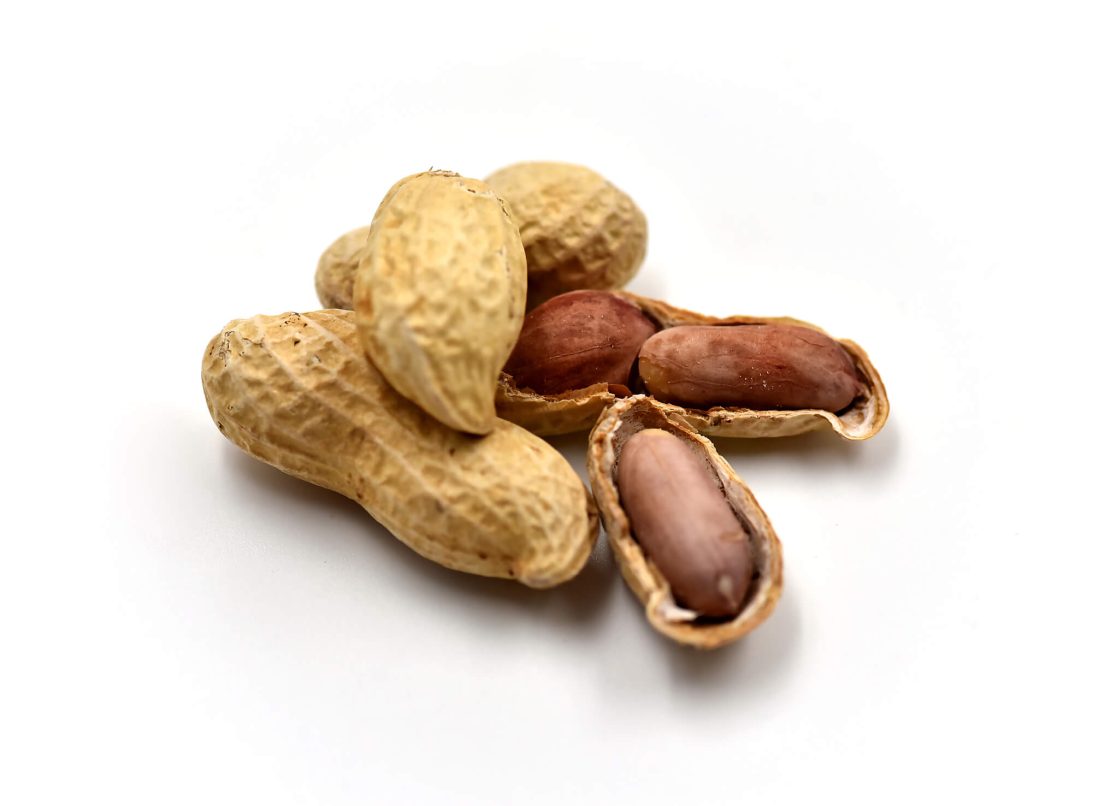
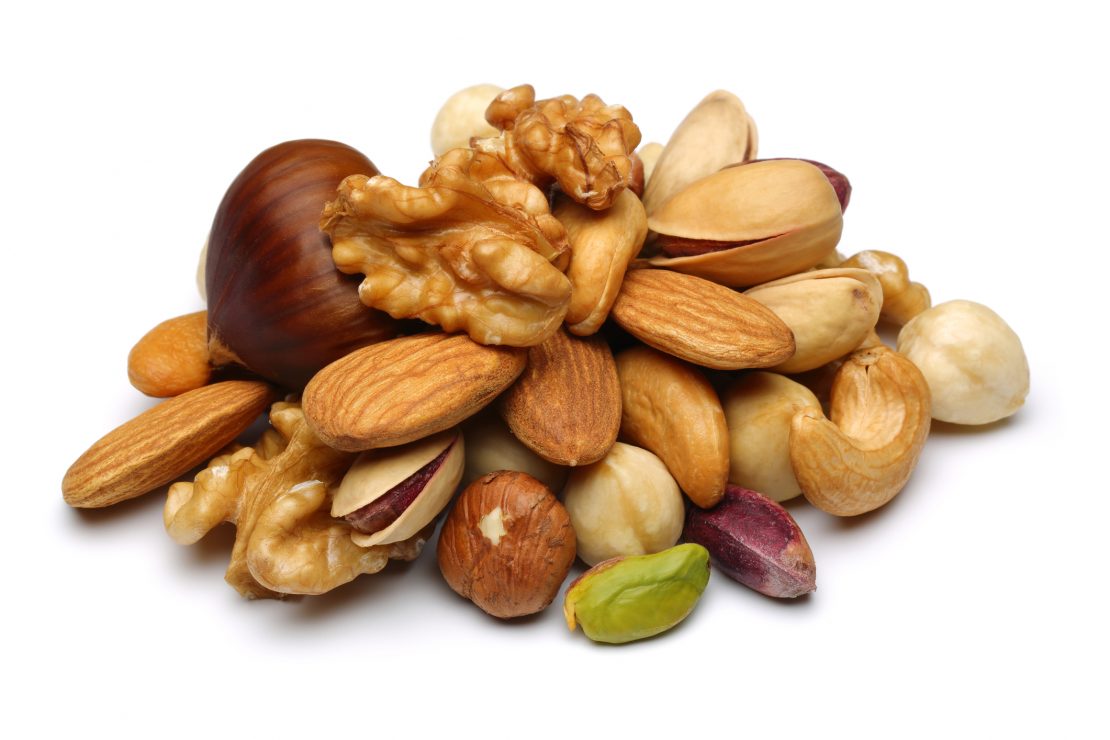
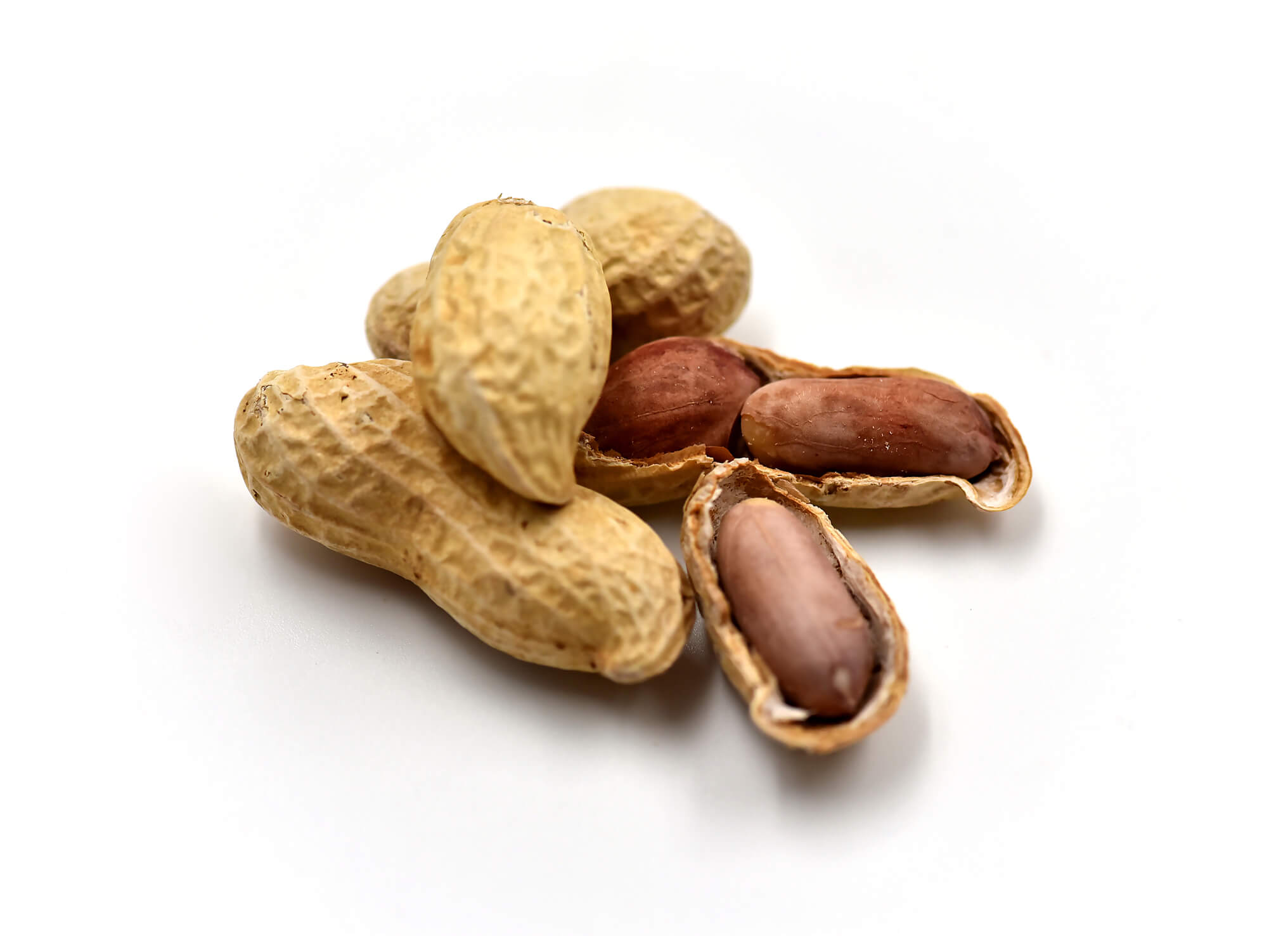
  • peanuts and other nuts 
  • seeds and beans 
  • fish with bones
  • Avoid snacks that use toothpicks or skewers at this age.

Other common foods that cause choking 

  • hot dogs and sausages 
  • whole grapes 
  • raw vegetables and fruit chunks 

Safety tips to prevent choking on foods: 

  • Always stay with your child when they are eating. 
  • Avoid giving hard or gummy candies, nuts or seeds to children under four years of age. 
  • Cut hot dogs and sausages lengthwise into small strips or dice them. 
  • Cut grapes and grape tomatoes into quarters (four pieces). 
  • Grate or thinly slice/chop raw vegetables or hard fruit, such as carrots and apples. 
  • Do not give your child gel candies. 
  • Remove the pits from fruit. 
  • Chop foods with fibrous or stringy textures, such as celery or pineapple, into small pieces. 
  • Spread nut or seed butters thinly on crackers or toast (not soft bread). 
  • Serve boneless fish or remove bones before serving. 
  • Ensure your child is sitting upright and not lying down, walking, or running. 
  • Avoid eating while in a moving vehicle. Your child is at risk of choking if the vehicle suddenly stops, and you will be unable to safely help them if you are driving. 
  • Learn first aid and CPR so you know what to do if choking happens

Did you know?

Water beads can be very dangerous to children if they swallow them or put them in their ears or nose. The beads will swell up inside the body, leading to possibly life-threatening injuries such as intestinal or bowel blockages. 

If you suspect that your child has swallowed a water bead, call the Canadian Poison Centre hot line at 1-844-POISON-X.

If water beads are placed in the nose or ear, seek medical intervention.

Water beads should always be stored in an airtight container out of sight and reach of children, especially those under the age of five.

It is recommended that caregivers of children under five avoid having water beads in their household or classroom, even if intended for an older child or adult use.

If your child is choking, this is an emergency. 

Call 911 or your local emergency number.  

They will send emergency help and tell you what to do until they get there.  

References: 

Keep your young child safe around the house – Caring for kids

Mixed Feedings: Supplementing Your Breastfed/Chestfed Baby

If you are worried about your milk supply talk to a lactation consultant, public health nurse or your health care provider. Sometimes babies need more calories, so you will need to give your baby a supplement. This can be done with expressed breastmilk/chestmilk by hand or with a pump. 

If you are thinking of giving formula to your breastfed/chestfed baby it can further decrease your breastmilk/chest milk supply and could cause you to stop breastfeeding/chestfeeding before you planned. 

It is recommended to breastfeed/chestfeed your baby first, then if extra calories are still needed, to give a top up. If you are supplementing your baby (topping up), it is recommended to try this order of supplementation: 

  1. Your own fresh expressed breastmilk/chestmilk. 
  2. Your own expressed breastmilk/chestmilk that was frozen and has been thawed. 
  3. Baby formula that is cow’s milk based, and iron fortified. 
  4. If you are planning to exclusively breastfeed/chestfeed and you only want to supplement with formula once in a while (not every day), talk to your care provider about types of baby formula that can reduce the risk of cow’s milk allergy. 

Note: Specialized formula should only be used if your health-care provider has recommended it. 

Ways to Feed Your Baby a Supplement

Use an open cup

Note: Other videos may be recommended by the host channel (e.g. YouTube, Vimeo). These suggestions may be based on your personal search history and other factors. The Manitoba Government does not control these suggestions and is not responsible for and may not endorse the content.

baby wearing a hat, feeding from an open cup which is held to baby’s mouth by an adult hand

Finger feed your baby

Note: Other videos may be recommended by the host channel (e.g. YouTube, Vimeo). These suggestions may be based on your personal search history and other factors. The Manitoba Government does not control these suggestions and is not responsible for and may not endorse the content.

thin tube from a bottle of milk attached to adult finger; finger in baby’s mouth)

Use a lactation aid which uses a tube at your breast/chest (also known as supplemental nursing system-SNS). Breastmilk/chestmilk or formula flows from a bottle through a tube that is attached to your nipple so baby can continue to breastfeed/chestfeed.  The baby gets the extra calories they need and the parent’s nipples get stimulated which promotes milk production. 

Formula feeding baby skin-to-skin. For information on skin-to-skin, see Amazing Benefits of Skin-to-Skin

Note: Other videos may be recommended by the host channel (e.g. YouTube, Vimeo). These suggestions may be based on your personal search history and other factors. The Manitoba Government does not control these suggestions and is not responsible for and may not endorse the content.

bare adult torso holding a baby drinking from a bottle

Important information for keeping equipment clean:

Reference:

What is Chestfeeding?

As part of the Manitoba government’s efforts to create an inclusive space for all families, we recognize that some transgender (trans), gender non-conforming (GNC) and non-binary individuals identify with the term “chestfeeding” over “breastfeeding” when referring to feeding their children from their bodies. 

The information on human feeding (breastfeeding/chestfeeding) is based on evidence and best practice and is intended to support all families. Respectful language is a first step towards making prenatal, postpartum and parenting health care safe for transgender, GNC  and non-binary people. 

Not all health-care providers have experience working with trans, GNC and nonbinary people. You have the right tell your health-care providers what language makes you most comfortable. 

Including chestfeeding in our communications is one of the ways the Manitoba government provides support for parents of all gender identities and all family structures. 

Our use of inclusive language is also consistent with the La Leche League of Canada. For more information, read their Joint Statement (with La Leche League USA) on use of term chestfeeding

Resources: 

Support for Transgender and Non-binary Parents – La Leche League International