Why is my baby crying? What can I do?

All babies cry. Crying is how babies tell you that they need something. Some babies cry more than others. Understanding why your baby might be crying can help you soothe your baby. 

Sometimes a baby cannot be comforted, no matter how hard you try. You may feel overwhelmed; many parents have these feelings. If you soothe your baby throughout the day (not just when baby cries), it may help reduce how much and how hard your baby cries. 

A crying baby…

  • is not being bad 
  • is not angry with you 
  • does not mean that you are a bad parent 

Most babies

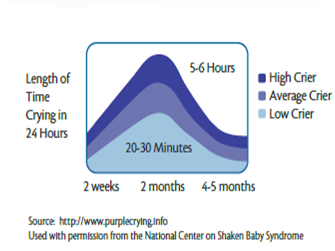
A chart from purplecrying.info with a bell curve, showing that babies cry most at two months of age (up to five to six hours in a 24-hour period for high criers).
  • start crying at birth
  • cry the most at about two months 
  • start crying less at three to five months 

Why might my baby be crying?

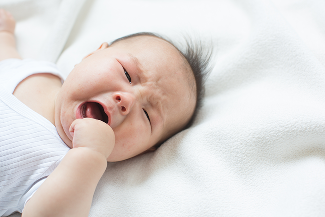
A baby crying with their mouth open.

If your baby is crying and is opening their mouth, they may be hungry. You can try feeding them.

a baby with a grimace on their face

If your baby is making facial grimaces or is straining, they may have gas pain. You can try burping your baby or rubbing and gently patting their back or stomach.

a crying baby lying down and reaching their arms out

If your baby is crying and is reaching out to you, they may need to be held or touched. You can try holding baby to your chest, carrying them in a carrier or sling or gently rubbing their tummy or back.

a crying baby

If your baby is crying and their…

  • ears or calves are very cold
  • skin looks marbled
  • nails or lips are blue

…your baby might be too cold. You can try holding them close to you and adding a layer of clothing. 

A baby with their head down and their hands over their eyes and nose

If your baby is crying and is rubbing their eyes or has droopy eyelids, they may be tired. Try putting baby down for a nap.

 A baby crying with their head turned to the side.

If your baby is crying and keeps looking away, they may be overstimulated. You can try:

  • reducing noise, light and movement
  • taking baby to a quiet room
  • singing or “shushing” gently
A baby lying down and crying as an adult reaches to undo their diaper.

If your baby is crying and has a wet or soiled diaper, they may be uncomfortable or their skin is being irritated. You can try changing baby’s diaper, using a cream if they have a rash or giving some time without a diaper on.

A close-up of a crying baby)

If your baby is crying and is sweating on the back of the neck or has warm ears and calves, they may be too hot. You can try removing some clothing or taking baby to a cooler location.

A baby crying and reaching their arms up.

If your baby is crying and wants your attention, they may be bored. You can try talking, singing and playing with baby or changing their position.

baby crying with their hand reaching for their mouth

If your baby is crying and wants to relax or be soothed, they may want to breastfeed/chestfeed or may need to suck. You can try:

  • breastfeeding/chestfeeding
  • letting your baby suck on their hand
  • holding your baby skin to skin
  • singing to your baby
  • rocking your baby gently
A baby with closed eyes and a sad expression.

If your baby is crying and just keeps crying, they may just need to cry. You can put on some white noise, like a vacuum cleaner, or try any of the tips above.

You know your baby best.

If you think they might be sick, contact your doctor, public health nurse, or call Health Links – Info Santé anytime at (204) 788-8200 or toll-free 1-888-315-9257.

Staying calm when your baby cries

Sometimes a baby will continue to cry even though they are not sick, hungry or needing a diaper change. This can feel overwhelming. Staying calm is the best way to soothe your baby. When you are calm, it is easier to listen and discover what your baby needs. Remember, you’re not alone. All babies go through a crying phase. It won’t last forever. 

These tips can help you relax, stay calm and cope while your baby is crying.

Take a break Gently place your baby on their back in the crib and leave the room. Check on your baby every five to 10 minutes. Your baby will be safe, and you can use the time to calm down. 

Breathe slowlyTake three to 10 long, slow breaths through your nose to feel calmer. 

Call a friend or family member Ask them to come over or talk on the phone. Share your feelings with them. 

Ask for help If you need a break, let your partner, neighbour or family member care for your baby. 

The Period of PURPLE Crying website has lots of good information on causes of crying and how to soothe your baby.        

What is Gestational Diabetes?

Gestational diabetes mellitus (GDM) is a temporary type of diabetes that can happen during pregnancy. When you have GDM, your body cannot produce enough insulin to handle the effects of a growing baby and your changing hormone levels. This causes your blood glucose (sugar) levels to rise. 

You may be more likely to have GDM if you: 

  • are 35 years of age or older 
  • belong to ethnic groups who are at higher risk for GDM (ex: African, Arab, Asian, Hispanic, Indigenous or South Asian) 
  • are obese (BMI 30 or higher) 
  • have a family history of type 2 diabetes 
  • had GDM in a previous pregnancy 

How will I know if I have GDM? 

Your health care provider (HCP) will order a “glucose challenge test” when you are 24 to 28 weeks pregnant. 

All pregnant people are screened for GDM during their regularly scheduled prenatal visits

What can I do to manage my GDM? 

  1. Eat foods that slowly raise your blood sugar levels. Some examples are whole grain breads, sweet potato and most fruits. Diabetes Canada recommends eating foods that have a low glycemic index
  2. You can see a dietitian to learn more about healthy eating in pregnancy. 
  3. Aim to gain a healthy amount of weight during pregnancy. The amount of weight that is right for you depends on how much you weighed before you were pregnant. 
  4. Enjoy being active. Aim for a total of 30 minutes of physical activity daily. Check with your health care provider before starting a physical activity program. 
  5. Your health care provider may ask you to check your blood sugar levels at home with a blood glucose meter. 
  6. Sometimes healthy eating and exercise are not enough to manage blood sugar levels. Your health care provider may prescribe medications such as insulin. Your health care team will teach you how much and how to take your insulin at home. 

What can I expect after giving birth? 

  • After giving birth, your blood sugar should go back to normal. Your health care provider will order a blood sugar test at your six week postpartum visit. 
  • Breastfeed/chestfeed immediately after giving birth so your baby’s blood sugar will not go low. Breastfeeding/chestfeeding beyond six months will also protect you and your child from diabetes and obesity. 
  • You are at risk of developing GDM on your next pregnancy. This may mean you will be tested earlier for diabetes in your next pregnancy. 
  • You are also at risk of developing type 2 diabetes in the future. Your health care provider may test you for diabetes more frequently. 

References

Product Safety

Many parents think that if a product is on a store shelf, then it must be safe.  Unfortunately, this is not always the case. Read more to learn about how to keep your child safe. 

Some products can put your child at risk of choking, burns and poisoning. While cribs and car seats must meet safety standards, most products are not regulated. As a parent, you need to consider if a toy or product could put your child at risk for injury. Infants and toddlers are at risk because they love to put things in their mouths. When choosing toys for your child, follow the age recommendations printed on the package. If older children live in the home, be cautious as their toys may contain small parts that are a choking hazard for young children

Some common products that can cause injury

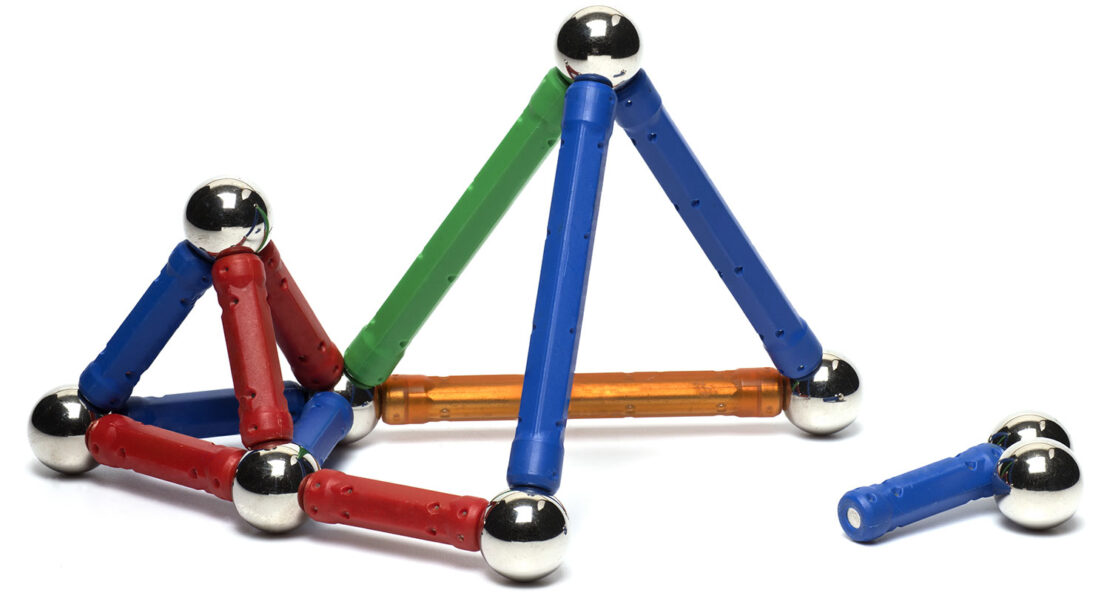
Colorful building rods assembled into a small structure, with circular magnets at each corner.

Small magnets 

Some children’s toys and other products contain small, powerful magnets. Swallowing magnets can cause serious damage to the inside of a child’s body. 

  • Check your child’s toys for small magnets. Keep these toys away from young children. 
  • Take your child to the emergency department, nursing station or local clinic if you think that they have swallowed magnets.

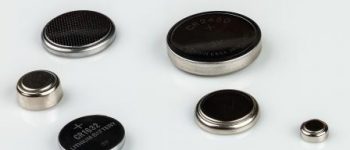
Button batteries

Six small, round batteries of different sizes

Small batteries are found in toys, greeting cards, hearing aids and some household products. Small batteries can cause burns if your child swallows them or puts them in their ear or nose. Store extra batteries out of sight and reach of young children .

  • Safely dispose of old batteries right away.
  • Choose toys that have a battery compartment that closes with a screw.
  • If your child swallows or inserts a battery in their ear or nose, take them to the doctor, nursing station or local clinic right away.

Four yellow, blue and white laundry pods

Laundry and dishwasher pods 

Laundry and dishwasher pods both contain strong cleaning chemicals. Pods can be poisonous if swallowed. If they leak, the liquid can burn your child’s skin or eyes. These pods are often brightly coloured and squishy, so children may mistake them for candy. To keep your child safer: 

  • Choose other types of detergents such as powder or liquid. 
  • As with all cleaning products, store them in a locked cabinet or drawer that is out of reach of children.
  • If your child chews or swallows a pod, call the Manitoba Poison Control Centre at 1-855-776- 4766 right away. 
a variety of four different silver vape pens and e-cigarettes with five clear bottles containing different colours of vape juice.

Vape juice and e-cigarettes

Vape juice is the liquid that people put into electronic cigarettes.  It comes in flavors such as chocolate, peppermint and fruit, which may appeal to your child. Vape juice may contain nicotine and other chemicals. It will cause harm, and can even be deadly if your child swallows it.  Like cigarette smoke, vapour from e-cigarettes is unsafe for children.

  • Avoid using e-cigarettes indoors or around children.
  • Keep vape juice and e-cigarettes locked up and out of children’s reach

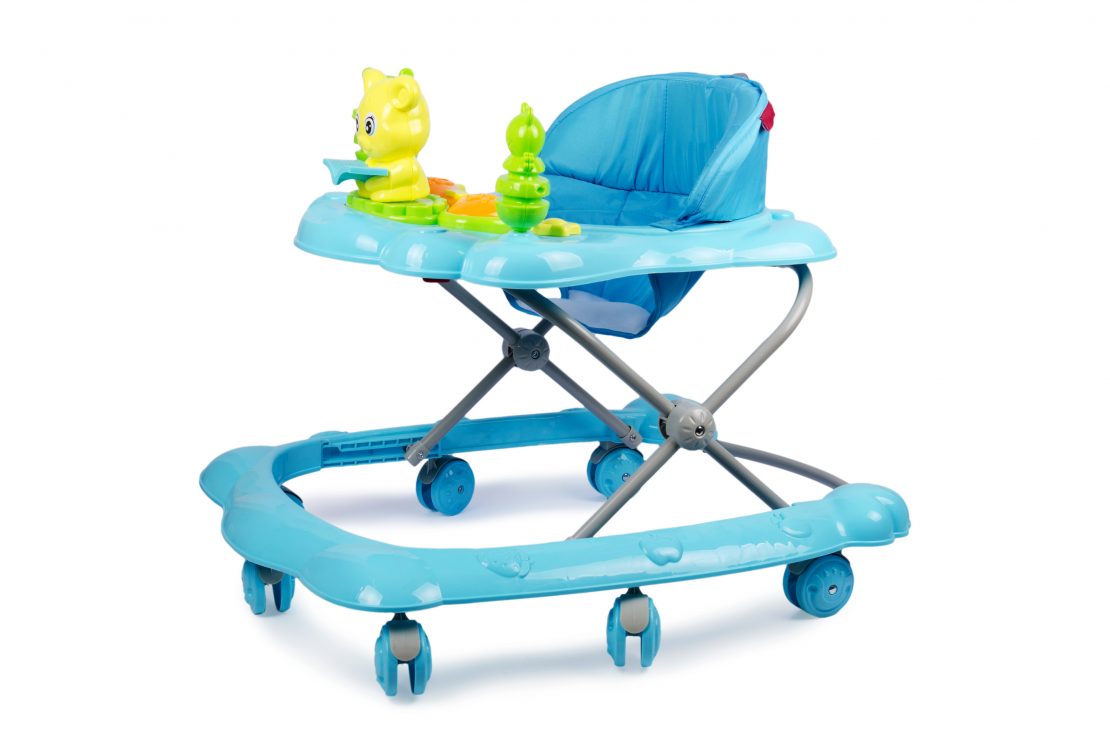
Baby walkers 

These products have caused many severe injuries and deaths to babies. Injuries happen when children in walkers fall downstairs or reach electrical cords and other items that are normally out of reach. Walkers do not help children learn to walk. Baby walkers are banned in Canada. It is illegal to import them, sell them at garage sales or give them away. 

  • If you have a baby walker, do not use it. Use a stationary exercise activity centre instead. 
  • Remove the wheels from a wheeled walker before throwing it away so that it can’t be used by anyone else. 

Amber teething necklaces

These necklaces claim to provide “natural” pain relief that helps soothe baby’s teething pain. There is no proof that they do this. Amber necklaces and other necklaces put babies at risk of strangulation and choking. 

  • It is safest to avoid putting any jewellery on your baby. 
  • Use teething rings or massage baby’s gums to help relieve teething pain. 

Window covering cords

Cords from blinds and other window coverings put babies and young children at risk of strangulation. Health Canada has introduced new regulations that restrict the length of cords and the size of the loops to protect children from this hazard. 

To keep your children safe: 

  • Use cordless window coverings when possible. 
  • Use “break-away” cords or cut the cord so there isn’t a loop. 
  • Keep cords out of reach by using a hook or cleat (T-shaped piece of metal or wood) to fasten them high on the wall. 
  • Follow the window covering manufacturer’s instructions and read all the warnings. 
  • Keep cribs, beds, playpens and other furniture away from windows. 

Safety Tips:

  • Register your products online and mail in registration or warranty cards. That way the company can contact you if there is a safety problem or if the product is recalled. 
  • You can make a report to Health Canada if:
    • You have concerns about a product’s safety 
    • You have had an injury or near miss 

For more information about product safety, visit:

Postpartum “Baby Blues”

Many different feelings come with being a new parent. They can range from happiness and joy to unexpected sadness and feeling overwhelmed. “Baby blues” are very common after giving birth. 

 About 75 per cent of new birthing parents experience baby blues. 

What are the baby blues? 

In the first few weeks after giving birth, many new birth parents have mood swings, worry a lot, cry easily and have trouble sleeping. This is often called the baby blues. Baby blues are normal and are caused by changing hormones and adjusting to parenting. Baby blues don’t last long.  These feelings usually begin a few days after birth and go away on their own within two weeks.  

With baby blues you may: 

  • feel very tired 
  • have mood swings, from feeling happy to feeling anxious, worried or panicky 
  • cry for no reason 
  • feel unsure about how to care for your baby 

Coping with baby blues 

  • Be kind to yourself - this is a time of many changes (body, mind, routines).  
  • People want to help. Don’t be afraid to ask for and accept help from friends and family. People can help you by bringing you a meal, doing your grocery shopping or cleaning your house. 
  • See our article, Tips for Self Care 
  • If you have concerns about how you are feeling, talk to your public health nurse, doctor, midwife, nursing station or health centre. 

You can support someone with baby blues by: 

  • listening to how they are feeling 
  • helping with household chores  
  • taking care of baby and other children  
  • making meals  

Did you know? 

Baby blues should go away within two weeks. If the symptoms continue longer or get worse, you may be experiencing postpartum depression (PPD) or anxiety. You are not alone; it is important that you get help. Talk to your health-care provider, midwife, public health nurse, nursing station or health centre. 

For more support you can call:

  • Women’s Health Clinic, Mothering Program – 204-947-2422 ext. 113 
  • Mood Disorders Association of Manitoba, PPD Warmline – 204-391-5983 
  • Manitoba Farm and Rural Support Services toll free – 1-866-367-3276 

Reference: 

Feeling anxious?

Becoming a new parent can be exciting and stressful. Everything is new and babies do not seem to come with an instruction manual. 

New routines, baby care and lack of sleep can make any new parent feel anxious. It is important to know that anxiety is common during pregnancy and after the birth of your baby. For some parents, pregnancy and the postpartum period can trigger anxiety. Anxiety can feel bad and interfere with how much you enjoy your new baby. 

Recognizing the signs can help you know if you are having anxiety. 

What is anxiety? 

Anxiety disorders are very common; one in four people will experience an anxiety disorder in their lifetime. Anxiety is a common and normal reaction to a stressful situation. Anxiety is part of our survival instinct. It helps tell us if we are in danger and helps us focus on getting things done quickly. The nervousness usually goes away once the stressful situation is over. But if you are feeling anxious all the time, it could be an anxiety problem or disorder. 

Anxiety can occur at any time in a person’s life. New parents, caregivers and grandparents may experience anxiety at this time. 

How do I know if I have an anxiety disorder? 

Occasional anxiety is a normal part of life. For people with an anxiety disorder, the anxiety does not go away and can get worse over time. The symptoms can interfere with daily activities such as taking care of your baby and relationships. If you have been experiencing any of the following symptoms, talk to your health-care provider: 

  • Worries or fears that don’t go away
  • Excessive irritability
  • Anger
  • Trouble sleeping
  • Racing thoughts
  • Panic attacks
  • Diarrhea
  • Fear that something terrible might happen to you, your baby or someone else 
  • Heart races or pounds
  • Light-headedness
  • Shaking
  • Sweating or chills
  • Nausea
  • Numbness or tingling
  • Chest and throat feels tight 
  • Loss of appetite
  • Shortness of breath
  • Tight muscles   

There are several types of anxiety disorders, including generalized anxiety disorder, panic disorder, social anxiety disorder and various phobia-related disorders.It can be difficult to stop feeling fearful or worried. 

Reach out: Talk to your health-care provider if anxiety is taking up a lot of your time and energy or affecting your quality of life.  

Note: Some new parents will also experience postpartum depression (PPD), or have both at the same time. 

Where to get help 

  • Your public health nurse, doctor, midwife, nursing station, health centre or other health-care provider.
  • Check if you have coverage through your employee benefit plan at work. You may have some coverage for a psychologist. You may also have an Employee Assistance Program (EAP) that offers counseling. 

If you are having thoughts of harming yourself or your unborn baby, or are in crisis, there is help available 24/7

Other online resources

References

Pooping During Childbirth

The truth is most people poop when they are giving birth. If there is poop in your colon then the pressure of your baby moving through your birth canal will push it out. 

The reason you poop is because you use the same muscles to give birth as you use to poop. You will often hear your nurse, midwife or doctor telling you to “push like you are pooping.” 

Labour and delivery tip: 

  • Try not to resist pushing in fear of pooping. This can make the birth of your baby more difficult and longer. 
  • No need to worry… your nurse or midwife will wipe away any poop and you probably won’t even know it happened. 

Can I prevent this? 

Not really! The practice of giving enemas is no longer standard practice. So for the concerned parent-to-be, take heart because it isn’t as bad as you imagine. Enjoy everything that you can about your experience of having a baby. Pooping is the last thing you should have to worry about…poop happens!

Baby Bath Time

Some babies love being in the water and find it very relaxing, while some take a while to warm up to the idea. It is up to you how often you give your baby a bath. As long as you wash all your baby’s folds and creases daily and their diaper area during changes, your baby doesn’t need to have a bath everyday. 

Did you know? 

You do not have to wait until your baby’s umbilical cord has fallen off to give them a bath. Just be sure to pat it dry. 

What you need for bath time 

Whether you are bathing your baby in a basin/baby tub or an adult tub, gather the things below and have them within your reach: 

  • a few clean washcloths 
  • a towel 
  • mild baby soap 
  • a clean diaper and clothes to dress your baby in after the bath 

Bathing your baby in a basin or tub 

Infant tubs, shallow basins or plastic tubs are convenient for bathing your baby. Once you have everything in reach: 

  1. Line the basin or sink with a clean towel. 
  2. Before putting baby in, fill the tub with about five centimetres (two inches) of water.
  3. Run cold water into the tub first and then add warm (not hot) water until it is a comfortable temperature. Mix the water with your hand to get rid of hot spots. 
  4. Check the temperature with your elbow before you put your child in the tub. If the water feels hot to you, it is too hot for your baby. Cool it by adding cold water.
  5. Babies are slippery when wet — be sure to keep one hand on your baby at all times and support your baby’s head and neck. 

Bathing with your baby 

  • Use non-slip strips on the bottom of the tub and a cushion over the water faucet to help prevent your child from being injured. 
  • The tub and your baby are both slippery. You should get in the tub first and have someone hand you the baby. 
  • When bath time is over, it is best to hand your baby to someone else before you get out of the tub. If you are alone, have a clean towel on the floor beside the tub and place baby there before you get out. 

Now to wash your baby…

  • Use mild soap or baby shampoo. 
  • You can hold your baby wrapped in a towel over the wash basin and wash their face and hair. 
  • Then unwrap your baby and place them in the wash basin with your arm underneath for support. 
  • Work from “head to toe” or “top to tail.” Use plain water only to wash baby’s face. Then wash the rest of their body and finally the diaper area with a mild soap. 
  • Be sure to clean the baby’s creases under the arms, behind the ears, around the neck and the genital area. 
  • Avoid bubble bath products as they can irritate your baby’s skin. 
  • When finished, dry your baby using a clean towel on a flat surface. 

After the bath 

  • Wrap your baby in a towel to keep them warm and dry after the bath. 
  • Pat your baby dry and be sure to dry skin folds and the umbilical cord if it hasn’t fallen off yet. 
  • Drain the tub immediately after use. 

Check out this video from Parenting in Ottawa – Here Comes Baby – Bathing Your Baby 

Note: Other videos may be recommended by the host channel (e.g. YouTube, Vimeo).  These suggestions may be based your personal search history and other factors. The Manitoba Government does not control these suggestions and is not responsible for and may not endorse the content.

Safety tips

To prevent drowning: 

  • Babies can drown in as little as 2.5 centimetres (one inch) of water in just a few seconds. 
  • Supervise at all times: Never leave your child in the bathtub alone or with an older sibling. Take your child with you if you need to answer the door or phone. 
  • Never use bath seats and bath rings as they give a false sense of security. Babies can slip under the bath ring or the bath ring can tip over. 

Prevent hot tap water scalds 

Scalds are painful burns that can be caused by hot liquids or steam. Every year young children get painful scalds from tap water. 

Keeping your tap water at 49C (120F) will help keep your child safe. For information on how to test and adjust your water temperature, see Hot tap water FAQ – Parachute Canada

Prevent falls 

Babies can roll off change tables and counters and get injured. 

Always keep one hand on your baby if you are laying them on a counter, change table or another raised surface. 

Reference: 

 Parachute  

How much weight should I gain?

Healthy Weight Gain in Pregnancy

Gaining a healthy amount of weight during pregnancy is a natural process to help your baby grow and develop, and to prepare your body for breastfeeding/chestfeeding. The amount of weight that you need to gain depends on your Body Mass Index (BMI) before you became pregnant. Use Health Canada’s pregnancy weight gain calculator to find out your BMI before you became pregnant, and the amount of weight you are recommended to gain during pregnancy. With most pregnancies, a lot of the weight gain happens in the second and third trimesters. 

Where does the weight go? 

  • muscle and fat – about 8.8 pounds 
  • extra blood, fluids and protein – about 7.7 pounds 
  • breasts and energy stores – about 2.5 pounds 
  • the uterus about – 2.5 pounds 
  • the placenta about – 1.5 pounds 
  • amniotic fluid about – 2 pounds 
  • your baby! – depends how much your baby weighs; the average weight at birth is about 7.5 pounds 

Gaining a healthy amount of weight during pregnancy will:

  • Help your baby have a healthy start to life 
  • Reduce your risk of complications during pregnancy and delivery 
  • Can improve your long-term health 

Tips for healthy weight gain

Enjoy being active. Aim for a total of 30 minutes of activity daily. Talk to your health care provider before you increase your activity level. 

Eat as many nutritious foods as possible. Include one or two extra snacks per day to provide the extra calories and nutrients you need for a healthy pregnancy. 

References

Morning Sickness Got You Down?

Nausea and vomiting are common symptoms of early pregnancy, caused by your changing hormones. This is usually called morning sickness, although it can occur any time of day. For some people it can be worse in the morning and ease up by the end of the day. For others it can last 24/7. Morning sickness usually starts around your sixth week of pregnancy and often starts to go away by the 12th week. For some people it can last longer, even the entire pregnancy. You may find certain smells make you feel nauseated.  Things that had never bothered you before might trigger it. 

Tips for coping with nausea and vomiting

  • Keep the air flowing – open windows and turn on the stove fan when you are cooking. 
  • Avoid having an empty stomach and try not to skip meals. 
  • Try eating small meals and snacks often throughout the day. 
  • Try ginger tea or ginger ale to settle your stomach. 
  • Avoid smoke, strong smells, alcohol and caffeine. 

Please see your health care provider if:  

  • Your symptoms are affecting your ability to do everyday activities 
  • You are not taking any fluids or keeping anything down  

For more tips see: Nausea and vomiting during pregnancy  

References: